
At a glance
| Fard | 3 rakʿahs Fard |
|---|---|
| Other rakʿahs shown on this site | 2 rakʿahs Sunnah Muʾakkadah after the Fard; optional Nafl is also listed on the site’s five-prayer table. |
| Time | Begins immediately after sunset and continues until the twilight marking Isha’s entry disappears. Hanafi authorities differ on the twilight criterion, so use the local Hanafi timetable for the exact boundary. Check today’s prayer times. |
| Fard recitation | In congregation, the imam recites the first two Fard rakʿahs aloud and the third quietly. In Hanafi fiqh, someone praying alone may choose aloud or quiet recitation in the first two; aloud is preferable for a man. |
Before you start
- Make sure you have wudhu; see Wudhu & Ghusl.
- Face the Qibla; the Prayer Times & Qibla tool can calculate the bearing for a location.
- Form the intention in your heart for the prayer. The site’s existing Salah guides state that a fixed spoken niyyah sentence is not required for validity.
Written step-by-step method
The method below is reproduced from the existing Step by Step Salah 3 rakʿahs Fard guide. Its inherited Arabic, transliteration and instructional wording are unchanged here; the source-checked page context above and school-difference labels below are the reviewed additions.
Niyyah (Intention) & Takbeer
Inni wajjahtu wajhiya lilladhi fataras-samawati wal arda hanifan wama ana minal muskrikin
I have turned my full attention towards the Supreme Being, Who has created the heavens and the earth, and I am not one of those who associate partners with Him.
O Allah, I intend to pray 3 rakat Fardh of the Maghrib prayer, for You, facing towards the Qiblah
Men: raise one's hands to your ears | Women: raising one’s hands to the level of the shoulders and say Allahu Akbar
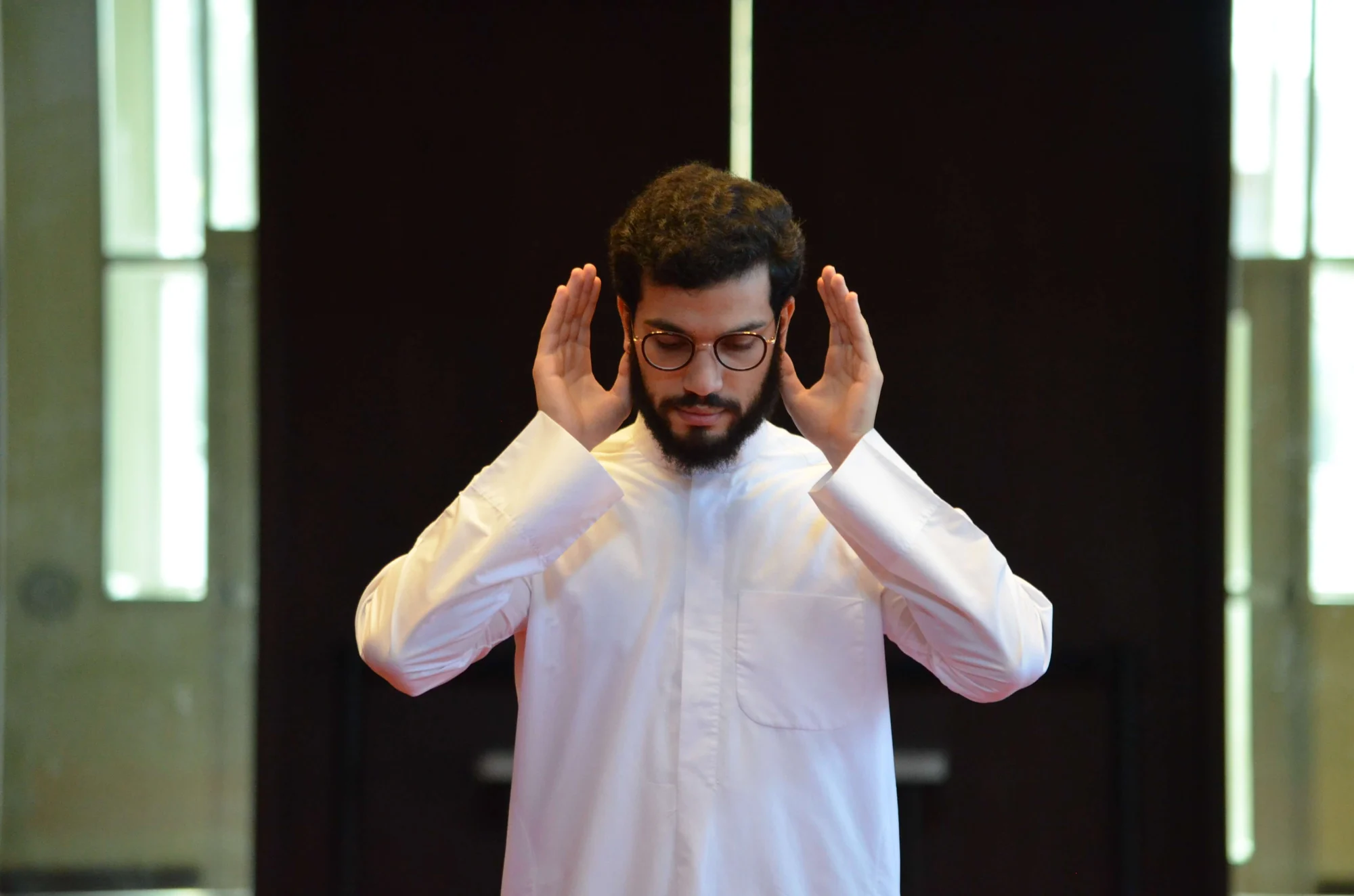

اللَّهُ أَكْبَرُ
Allahu Akbar
Allah is The Greatest
Thana & Ta'awwz
Men: Lower your hands and place them over your naval. Your right hand should be placed over your left hand. Women: Place one’s right palm on top of the left hand without clasping it, resting both of them on top of the chest. Keep your eyes focused on the ground in front of you.
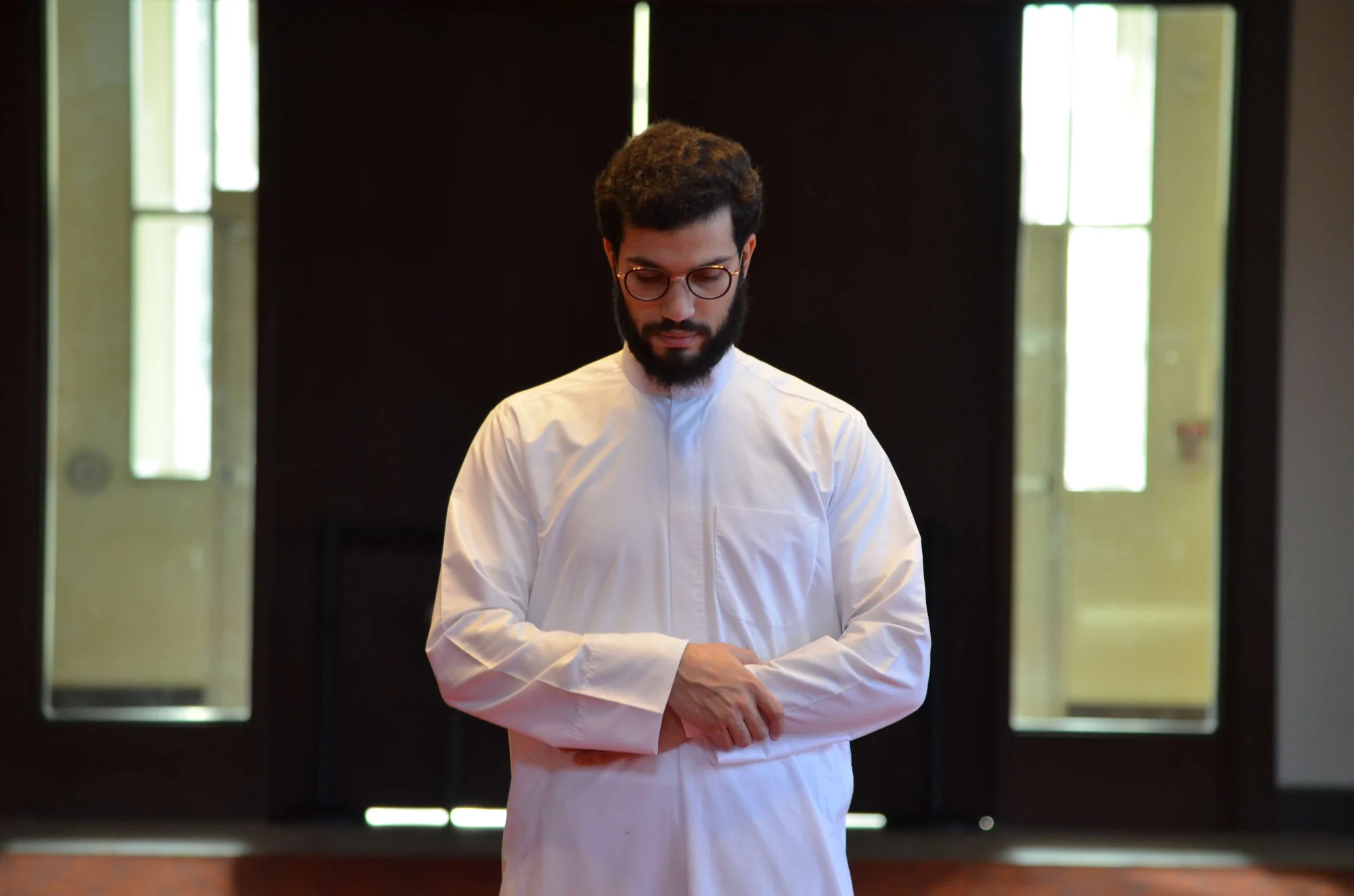
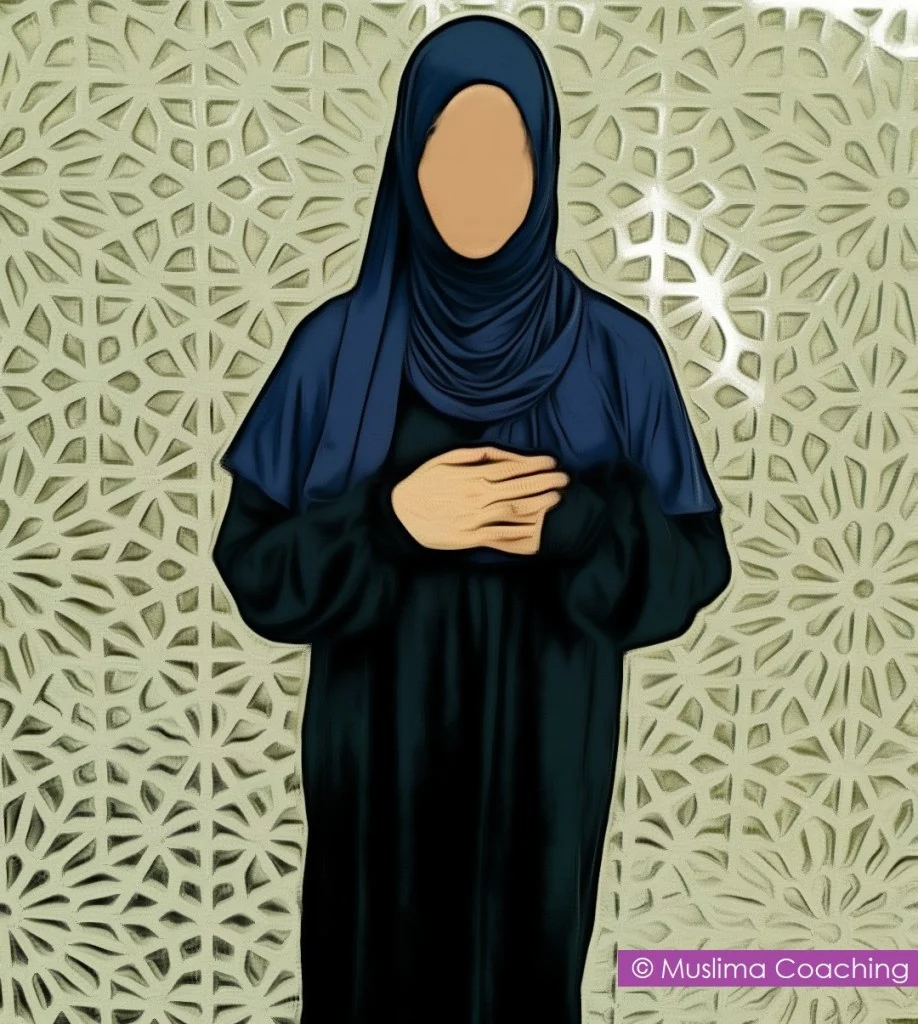
سُبْحَانَكَ اللَّهُمَّ وَبِحَمْدِكَ، وَتَبَارَكَ اسْمُكَ، وَتَعَالَى جَدُّكَ، وَلَا إِلَٰهَ غَيْرُكَ
Subḥānaka Allāhumma wa biḥamdika, wa tabārakasmuka, wa taʿālā jadduka, wa lā ilāha ghayruk
Glory is to You O Allah, and praise. Blessed is Your Name and Exalted is Your Majesty. There is none worthy of worship but You.
أَعُوذُ بِاللَّهِ مِنَ الشَّيْطَانِ الرَّجِيمِ
Aʿūdhu billāhi minash-shayṭānir-rajīm
I seek refuge with Allah from Satan.
(1) Tasmiyah
بِسْمِ ٱللَّهِ ٱلرَّحْمَٰنِ ٱلرَّحِيمِ
Bismillahir Rahmanir Raheem
In the name of Allah, Most Gracious, Ever Merciful.
(2) Recite Surah Al-Fatiha
ٱلْحَمْدُ لِلَّهِ رَبِّ ٱلْعَـٰلَمِينَ ٱلرَّحْمَـٰنِ ٱلرَّحِيمِ مَـٰلِكِ يَوْمِ ٱلدِّينِ إِيَّاكَ نَعْبُدُ وَإِيَّاكَ نَسْتَعِينُ ٱهْدِنَا ٱلصِّرَٰطَ ٱلْمُسْتَقِيمَ صِرَٰطَ ٱلَّذِينَ أَنْعَمْتَ عَلَيْهِمْ غَيْرِ ٱلْمَغْضُوبِ عَلَيْهِمْ وَلَا ٱلضَّآلِّينَ
Al-ḥamdu lillāhi Rabbil-ʿālamīn. Ar-Raḥmānir-Raḥīm. Māliki yawmid-dīn. Iyyāka naʿbudu wa iyyāka nastaʿīn. Ihdinaṣ-ṣirāṭal-mustaqīm. Ṣirāṭal-ladhīna anʿamta ʿalayhim, ghayril-maghḍūbi ʿalayhim wa laḍ-ḍāllīn
All praise belongs to Allah, Lord of all the worlds, Most Gracious, Ever Merciful; Master of Day of Judgement. Thee alone do we worship and Thee alone do we implore for help. Guide us along the right path, the path of those whom Thou has bestowed Thy blessings, those who have not incurred Thy displeasure, and those who have not gone astray.
(3) Recite Surah Al Fil or Any Other Surah
أَلَمْ تَرَ كَيْفَ فَعَلَ رَبُّكَ بِأَصْحَـٰبِ ٱلْفِيلِ أَلَمْ يَجْعَلْ كَيْدَهُمْ فِى تَضْلِيلٍ وَأَرْسَلَ عَلَيْهِمْ طَيْرًا أَبَابِيلَ تَرْمِيهِم بِحِجَارَةٍ مِّن سِجِّيلٍ فَجَعَلَهُمْ كَعَصْفٍ مَّأْكُولٍ
Alam tara kayfa faʿala Rabbuka bi-aṣḥābil-fīl. Alam yajʿal kaydahum fī taḍlīl. Wa arsala ʿalayhim ṭayran abābīl. Tarmīhim biḥijāratin min sijjīl. Fajaʿalahum kaʿaṣfin maʾkūl
Have you not considered, [O Muhammad], how your Lord dealt with the companions of the elephant? Did He not make their plan into misguidance? And He sent against them birds in flocks, Striking them with stones of hard clay, And He made them like eaten straw.
⭐ Reminder
A Surah is only recited in the first 2 rakats
(4) Takbeer and Go Down to Ruku
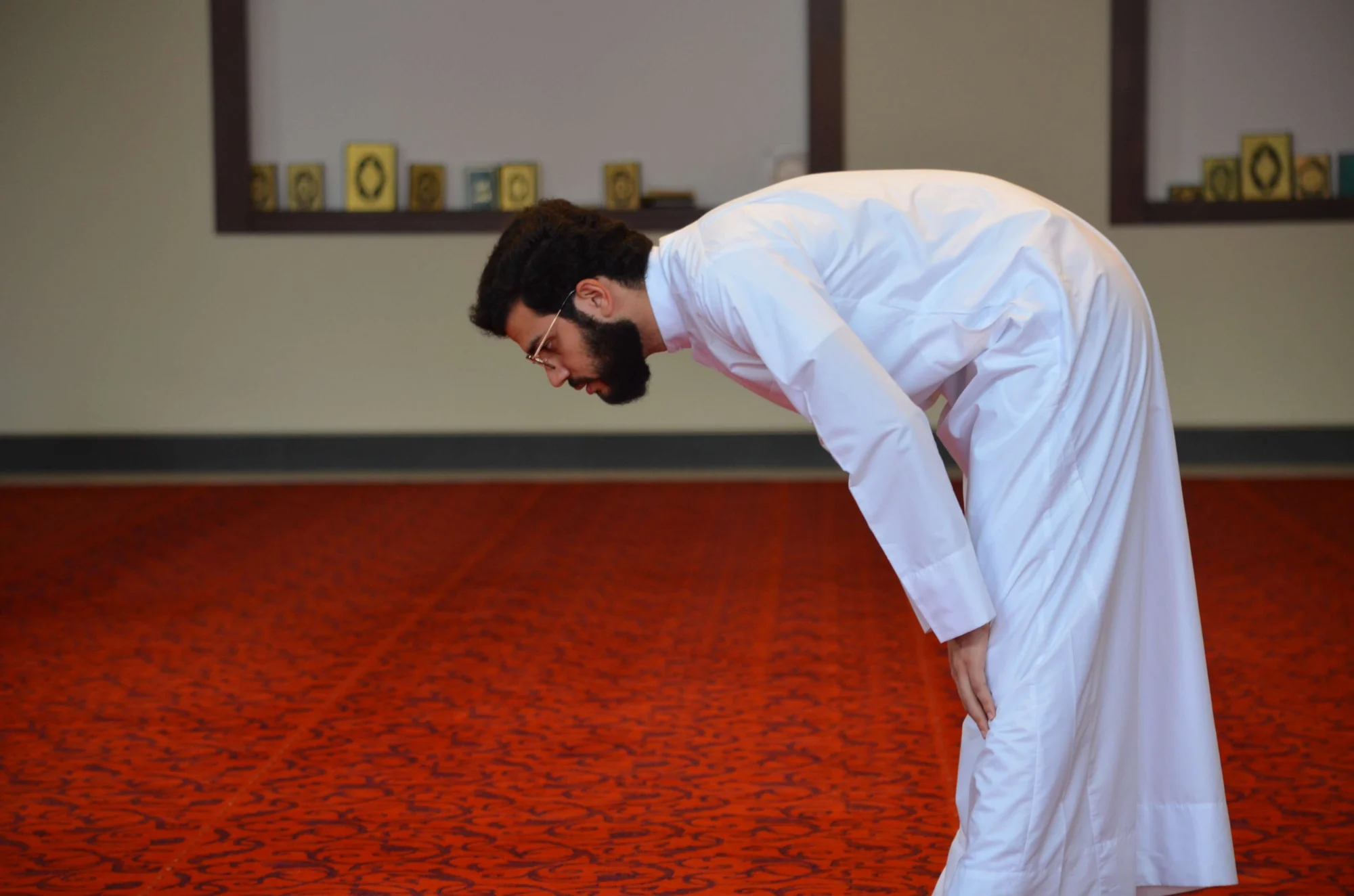
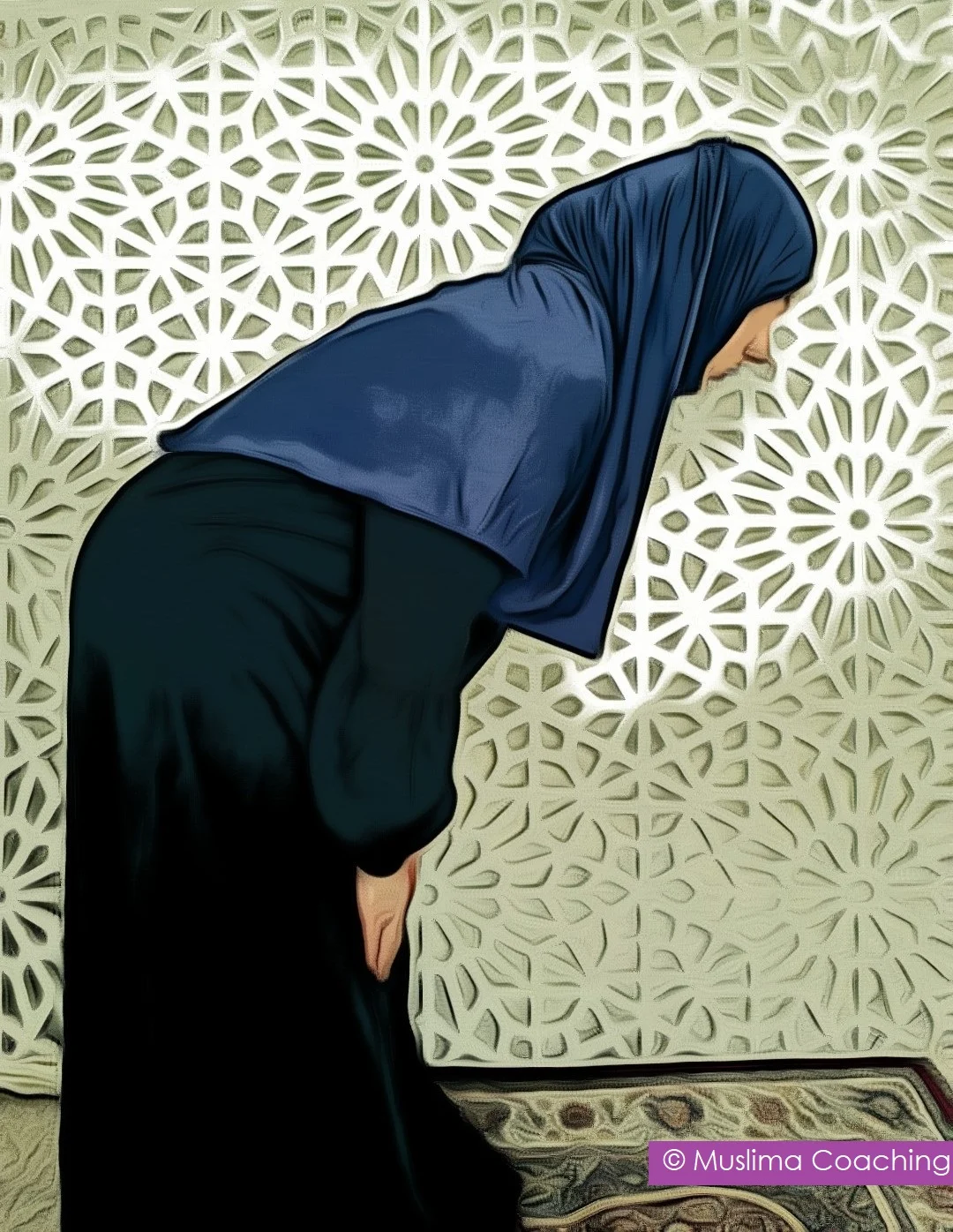
اللَّهُ أَكْبَرُ
Allahu Akbar
Allah is The Greatest
(5) During Ruku (Bowing)
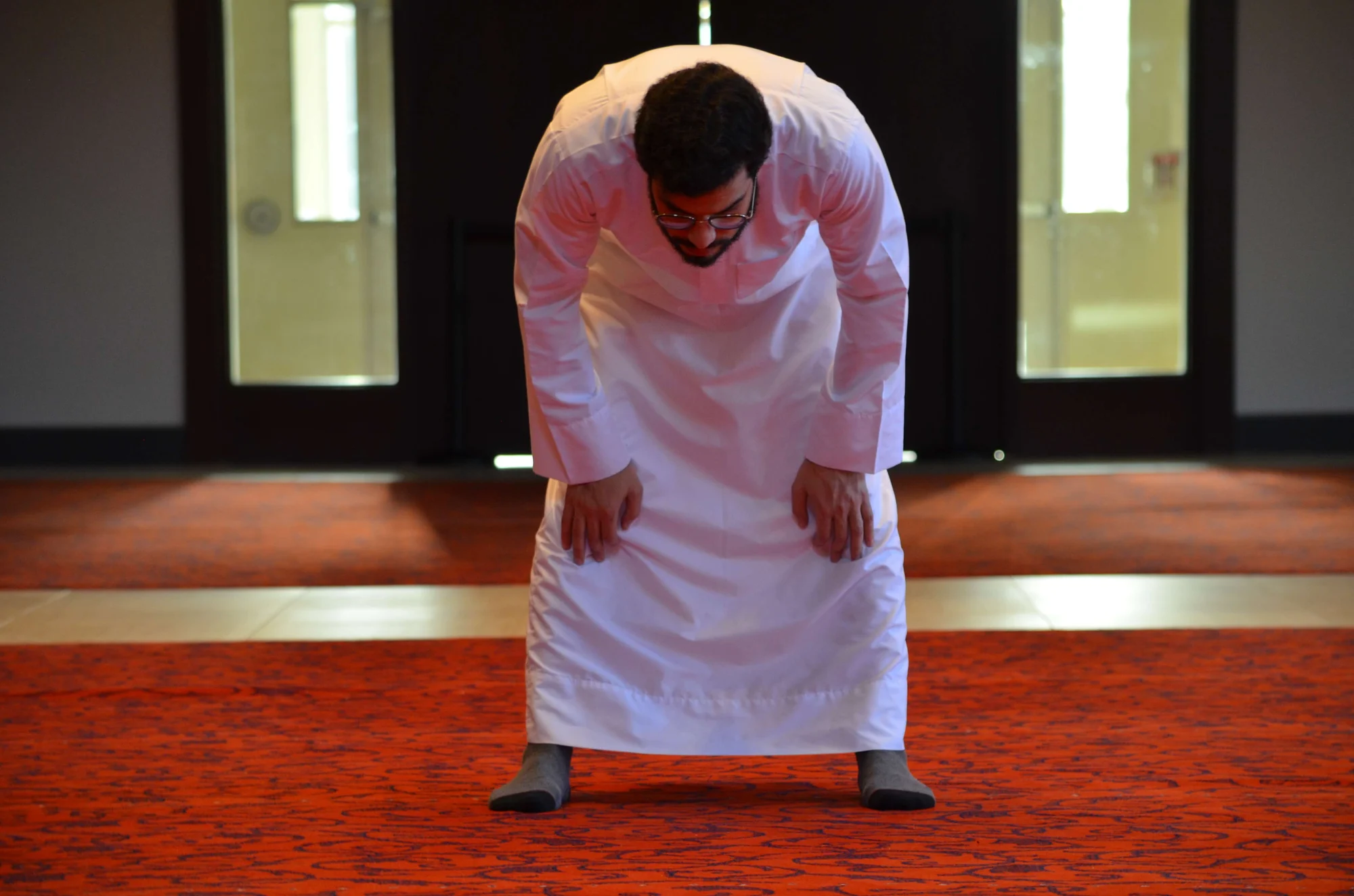
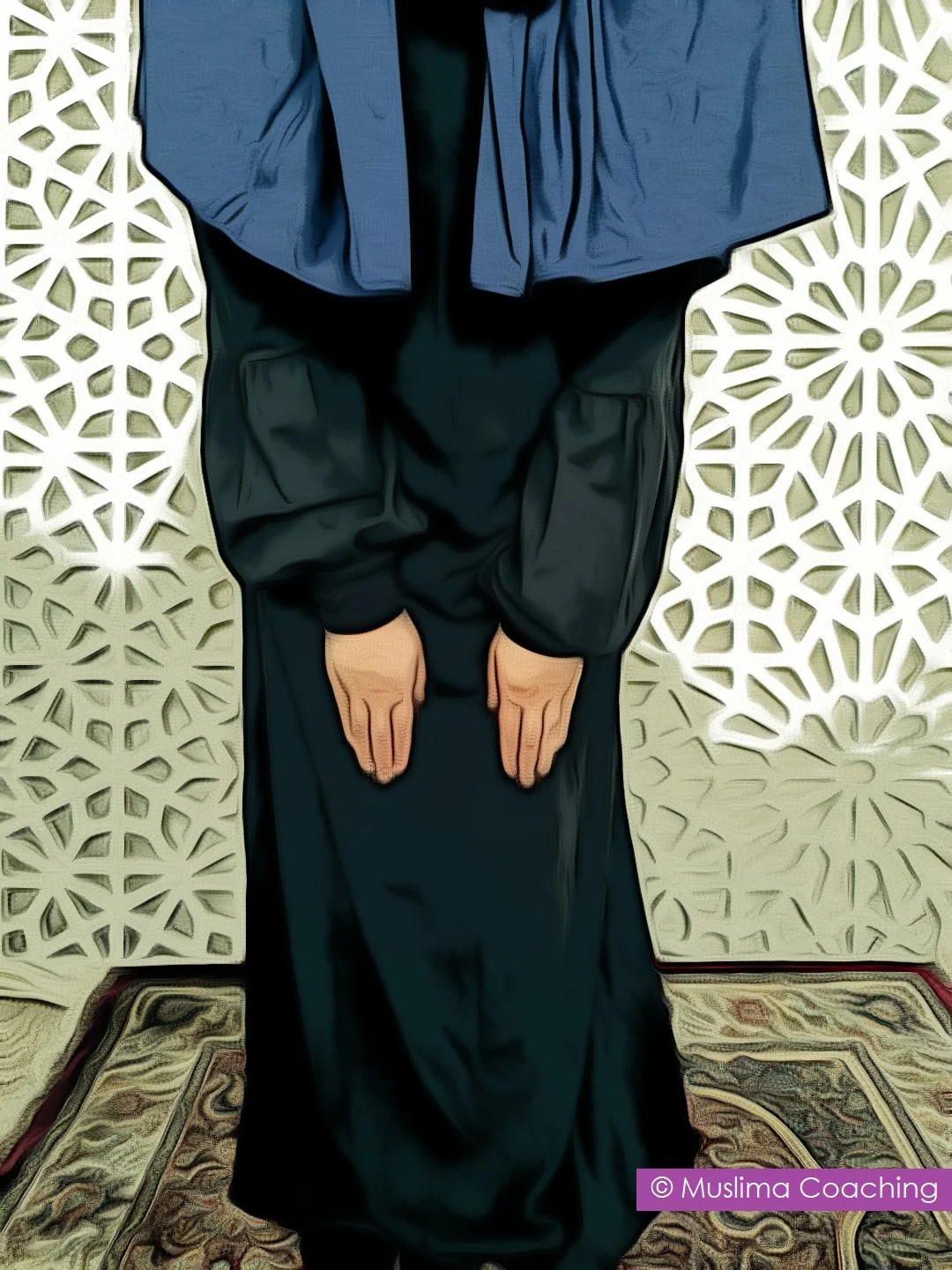
سُبْحَانَ رَبِّيَ الْعَظِيمِ
Subhana Rabbiy al-Azeem (x3)
Glory be to My Lord, The Greatest
(6) While Rising From Ruku
سَمِعَ اللَّهُ لِمَنْ حَمِدَهُ
Sami Allahu liman hamidah
Allah listens to him who praises Him.
(7) While in Standing Position
رَبَّنَا وَلَكَ الْحَمْد
Rabbana wa Lakal Hamd
Our Lord, all praises are for You
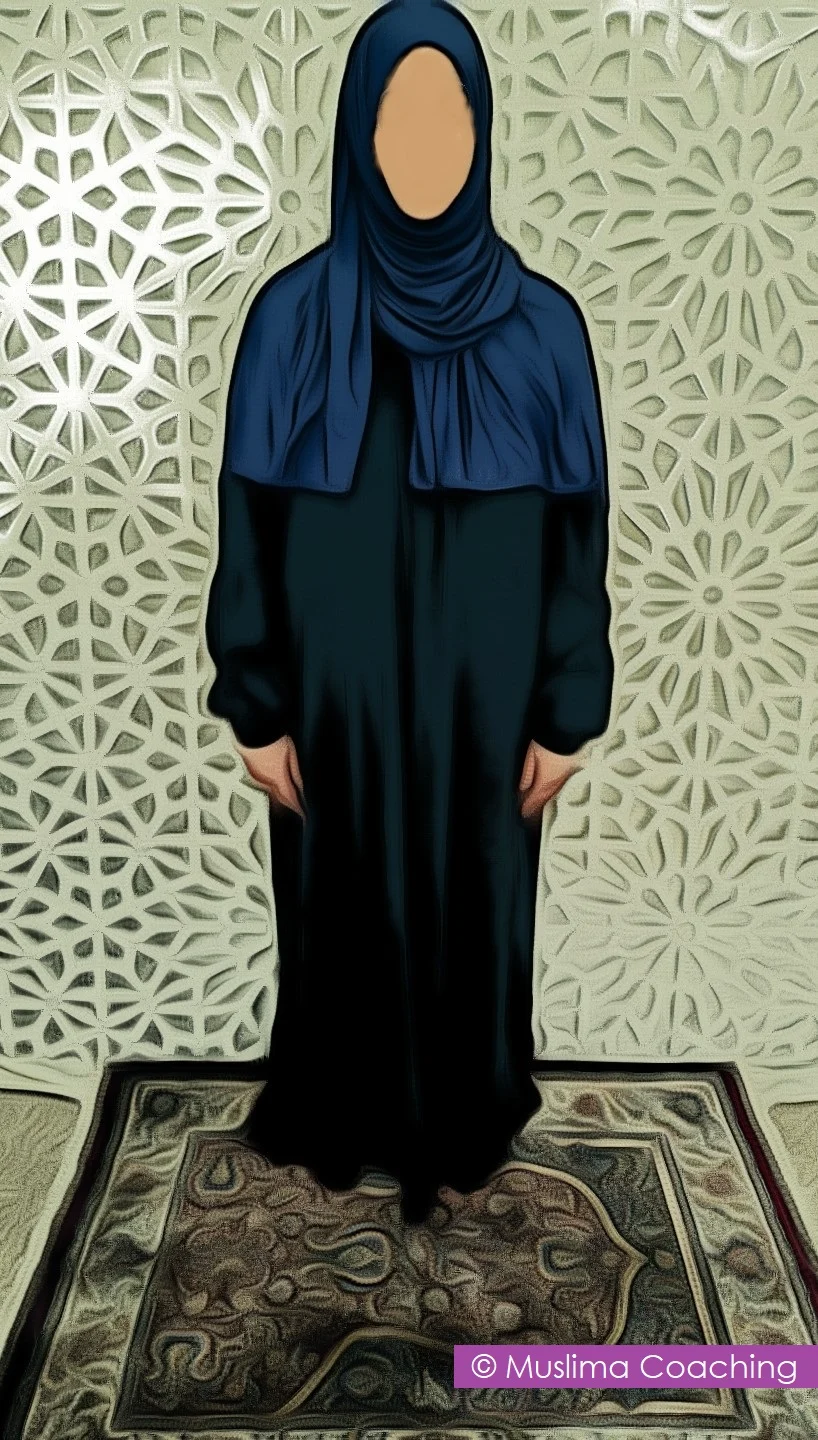
(8) Takbeer and Go Down For Sajdah (prostration)
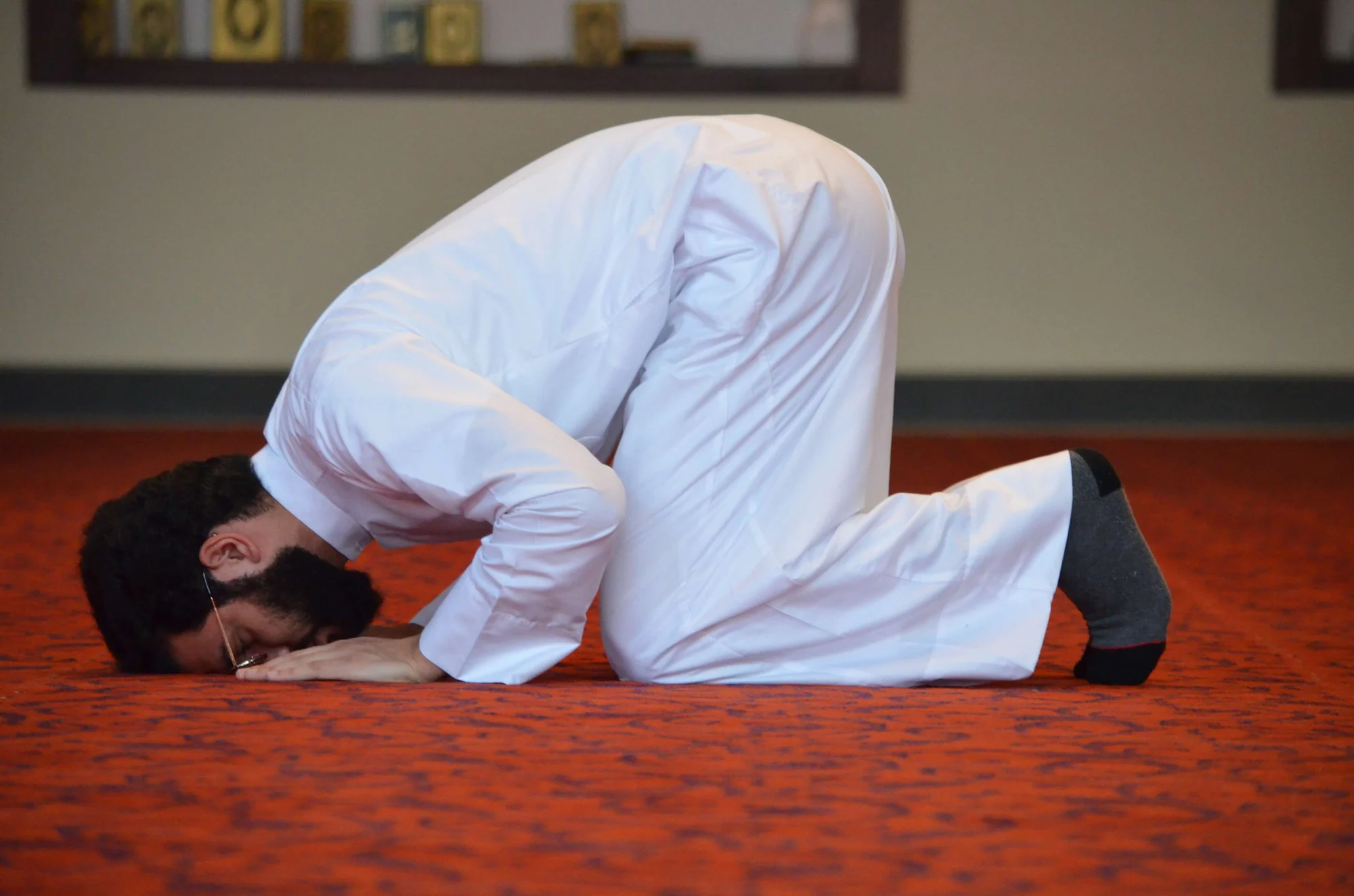
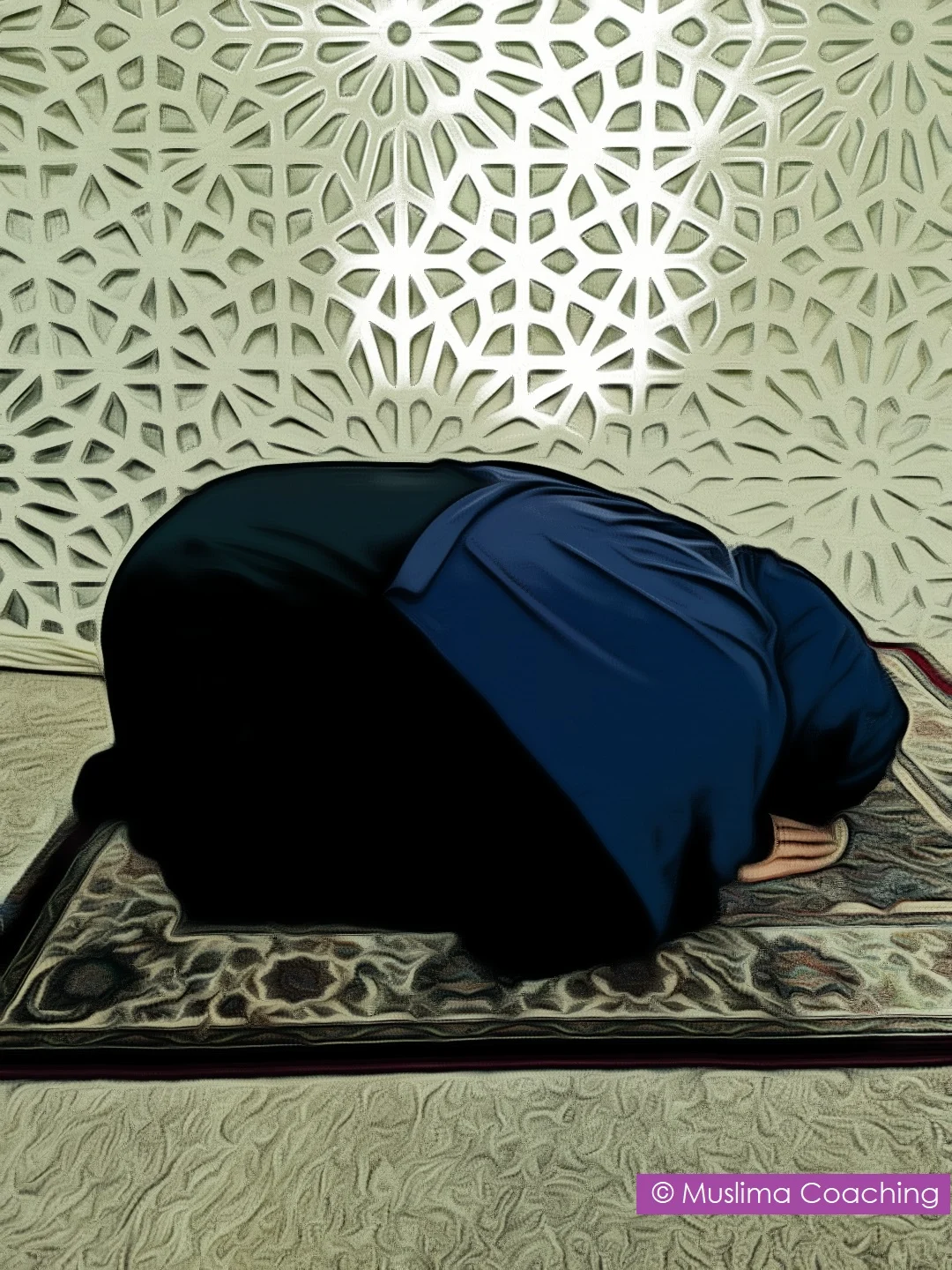
اللَّهُ أَكْبَرُ
Allahu Akbar
Allah is The Greatest
(9) During First Sajdah
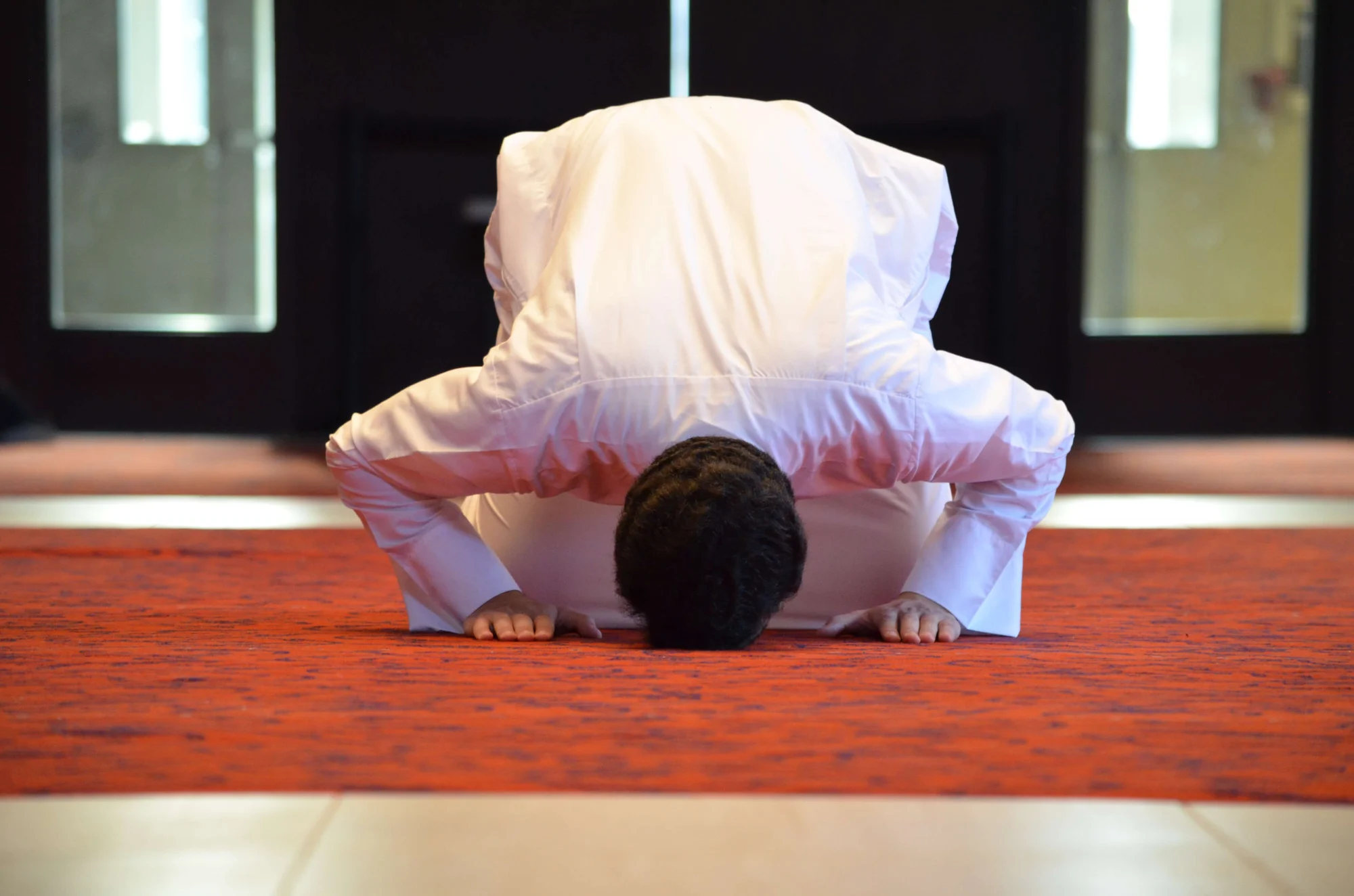
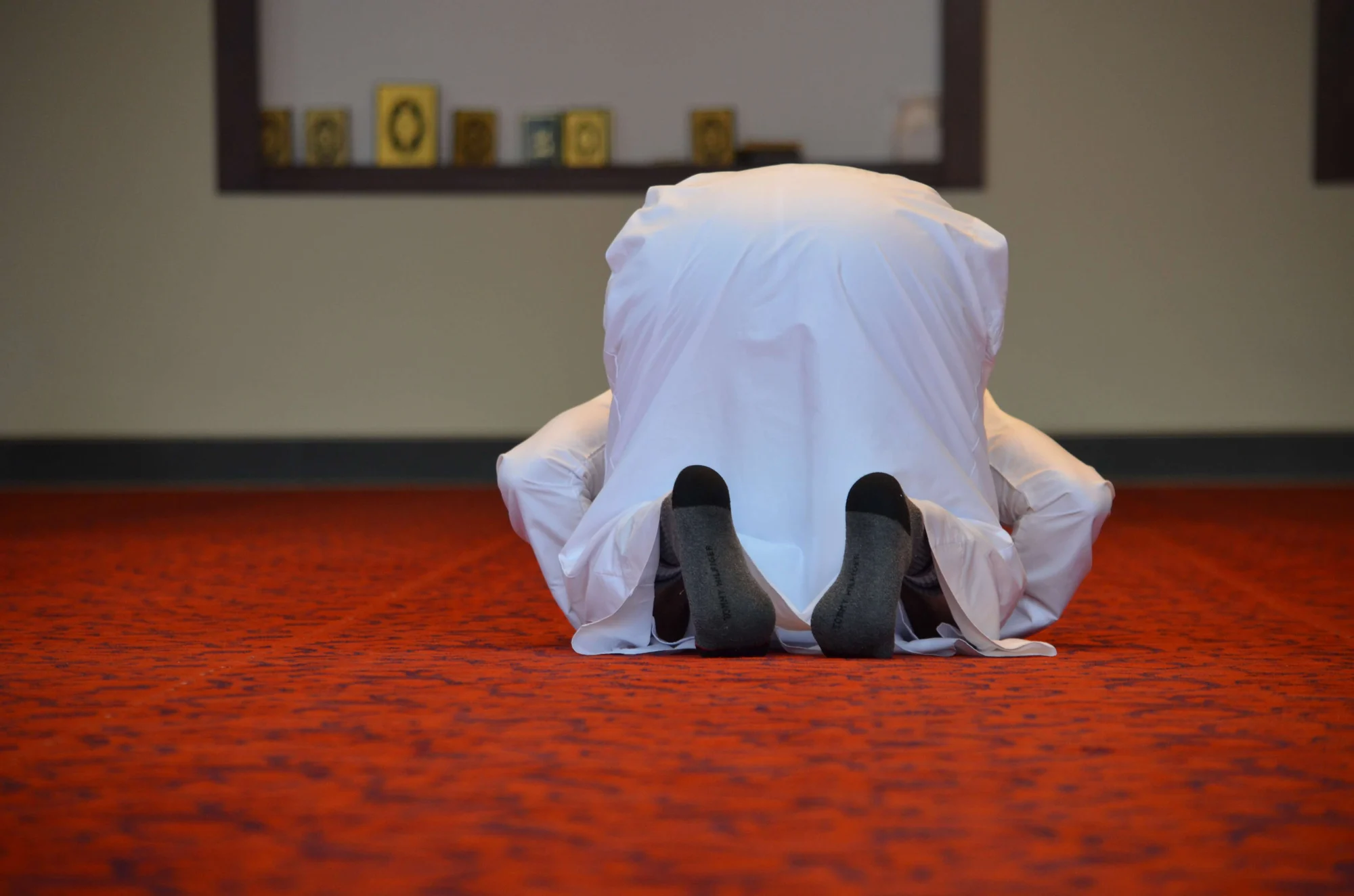
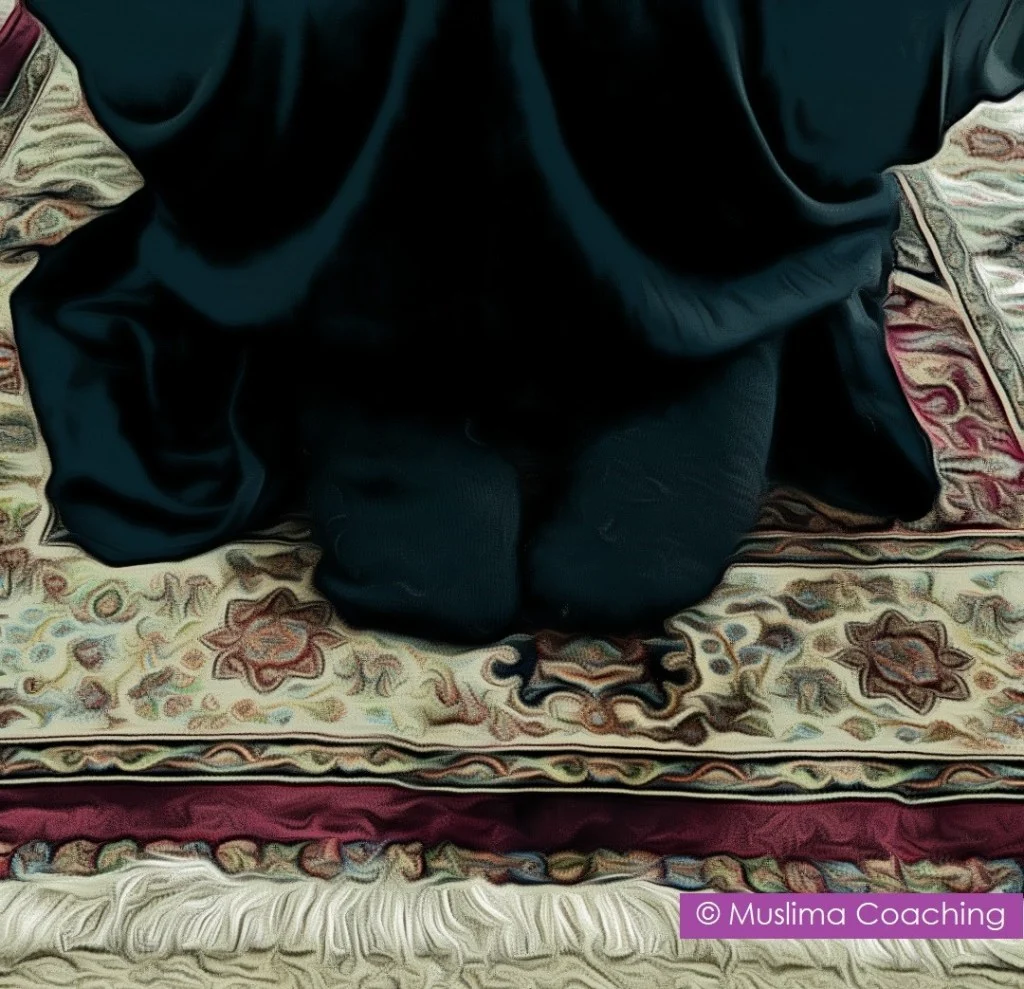
سُبْحَانَ رَبِّيَ الأَعْلَى
Subhana Rab-bi yal A'ala (x3)
Glory to my Lord, the Most High.
0) Takbeer and Dua in Jalsa (Sitting)
Rise up from sujud and sit for a moment.
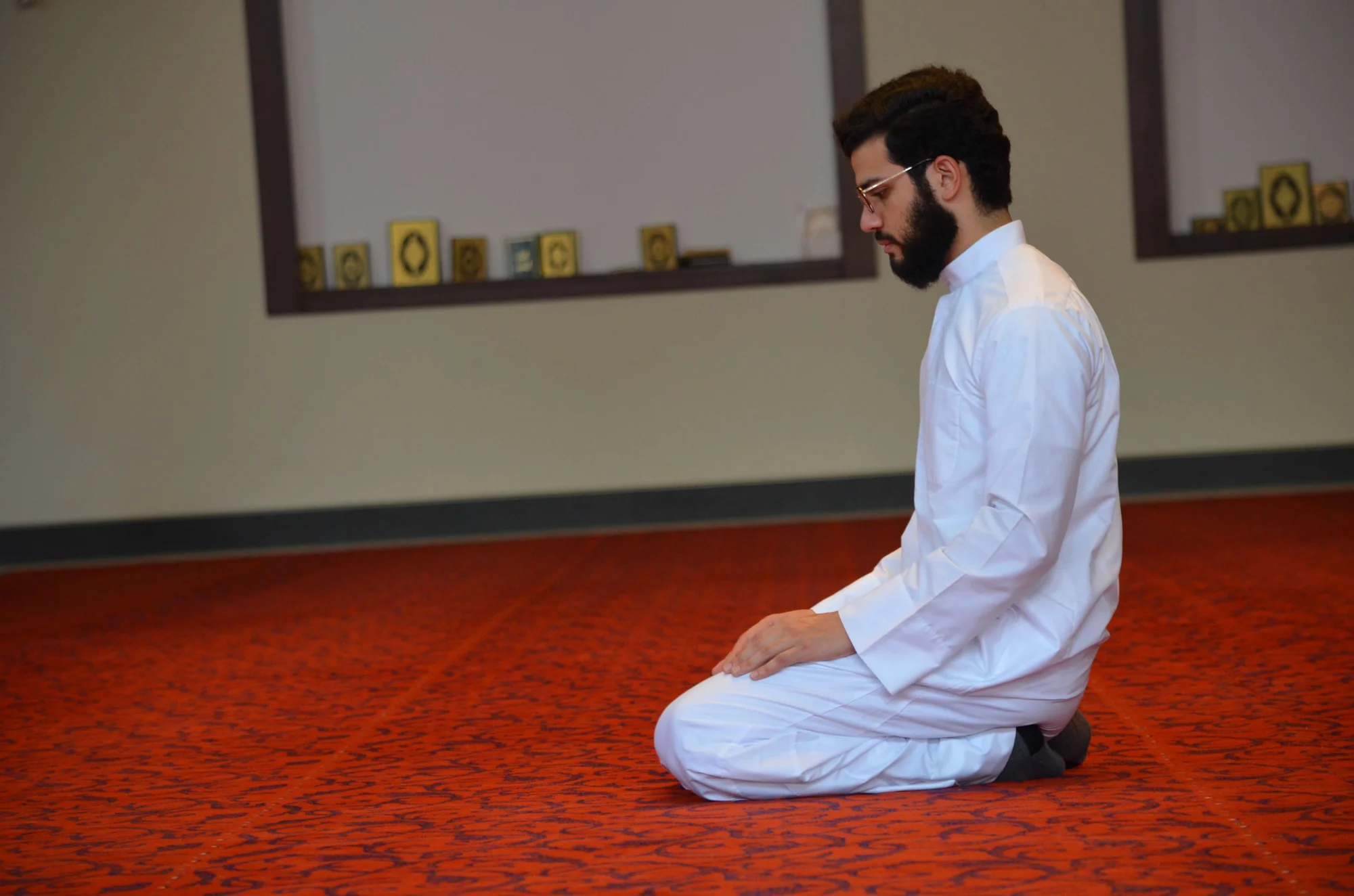
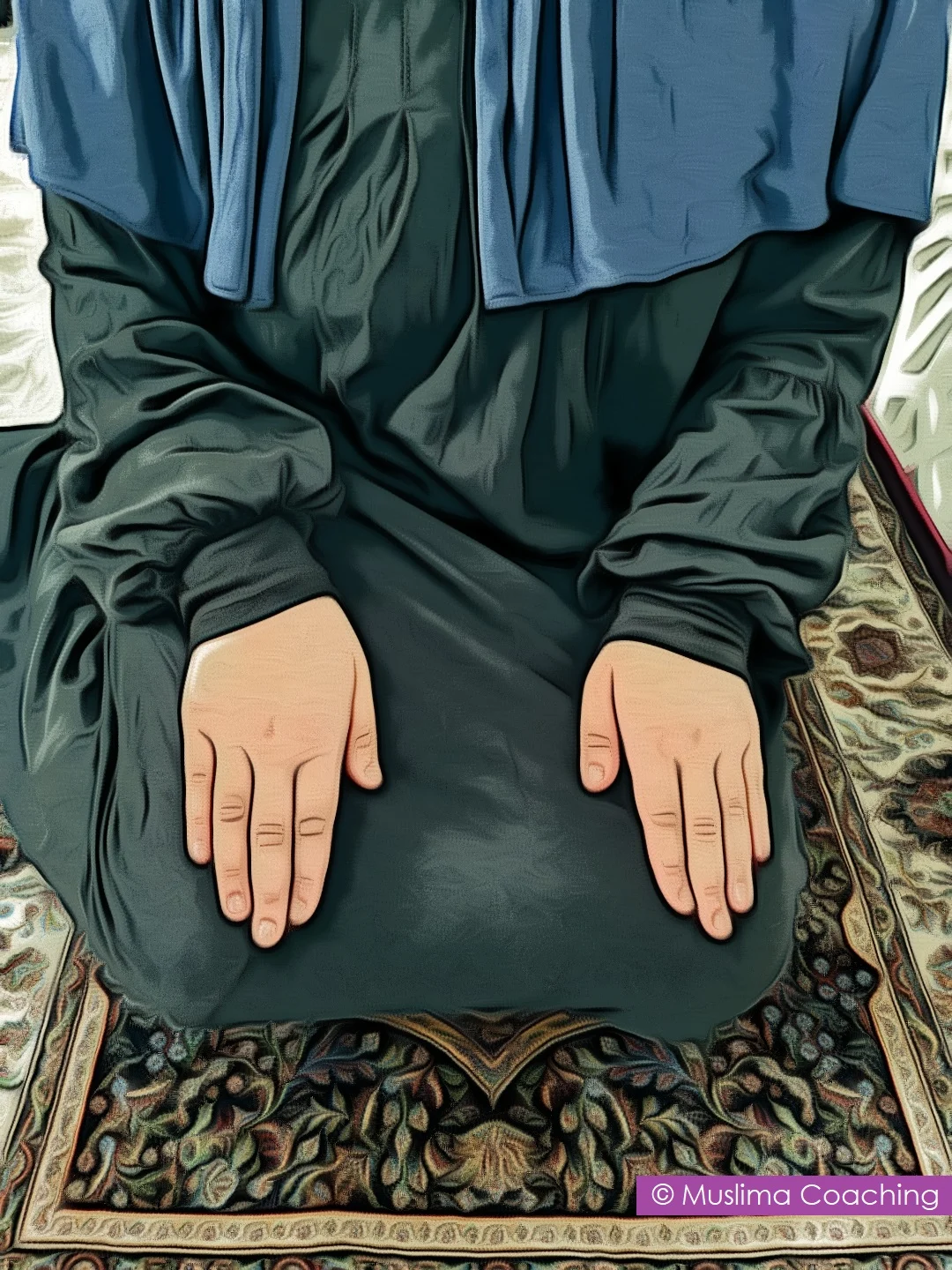
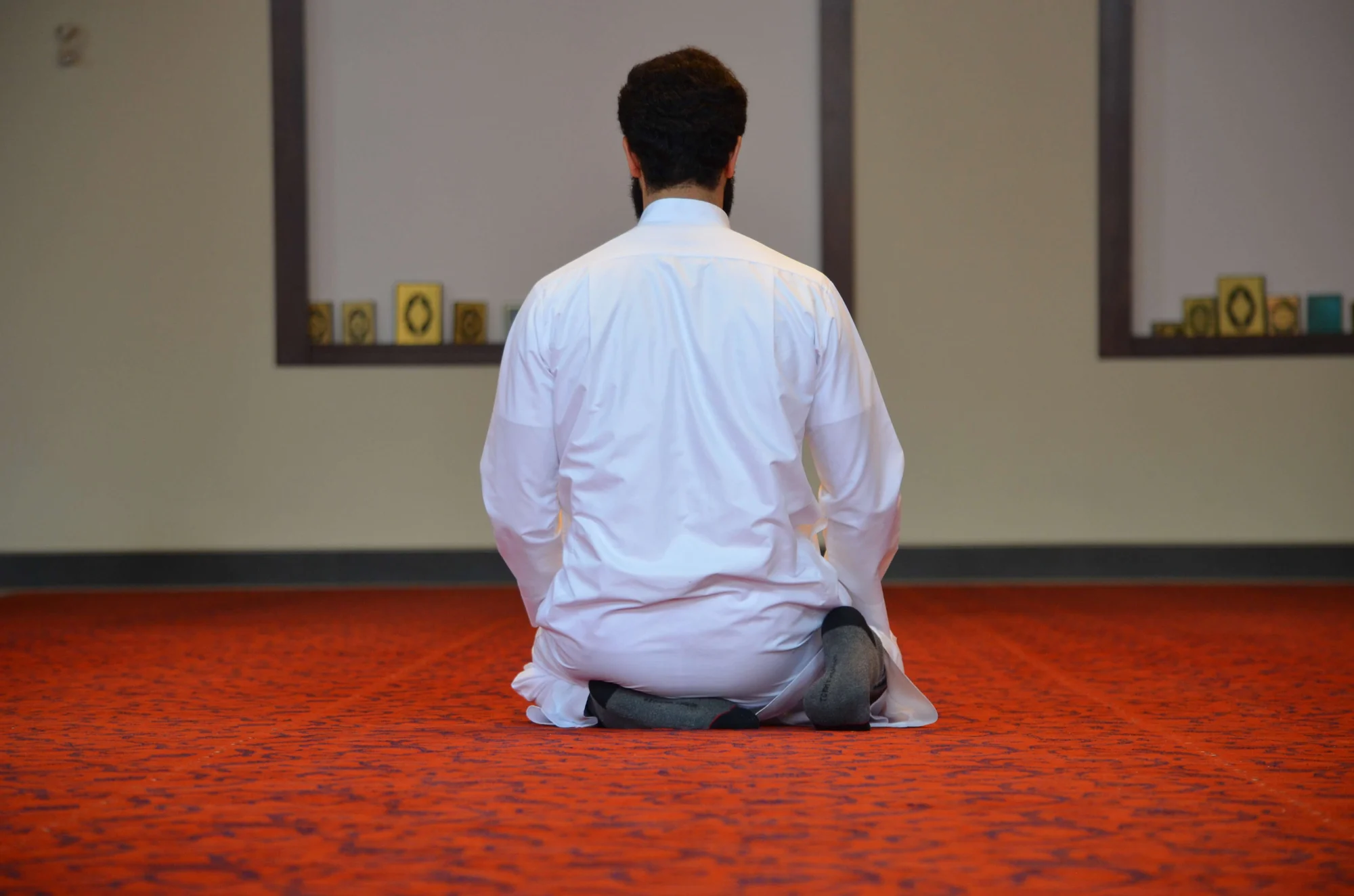
Say Allahu Akbar as you rise from Sujud and then sit on your left leg. Your left foot will rest on the floor while your right foot is upright. Place your hands on your knees.
اللَّهُ أَكْبَرُ
Allahu Akbar
Allah is The Greatest
رَبِّ اغْفِرْ لِي
Rabbighfir li* (x2) or
اللَّهُمَّ اغْفِرْ لِي، وَارْحَمْنِي، وَاهْدِنِي، وَاجْبُرْنِي، وَعَافِنِي، وَارْزُقْنِي، وَارْفَعْنِي
Allāhumma’ghfir lī, warḥamnī, wahdinī, wajburnī, wa ʿāfinī, warzuqnī, warfaʿnī
O Allah! Forgive me*, have mercy on me, console me, provide me with sustenance and grant me good health
(11) Takbeer and Return to Sajdah
اللَّهُ أَكْبَرُ
Allahu Akbar
Allah is The Greatest
(12) During Second Sajdah
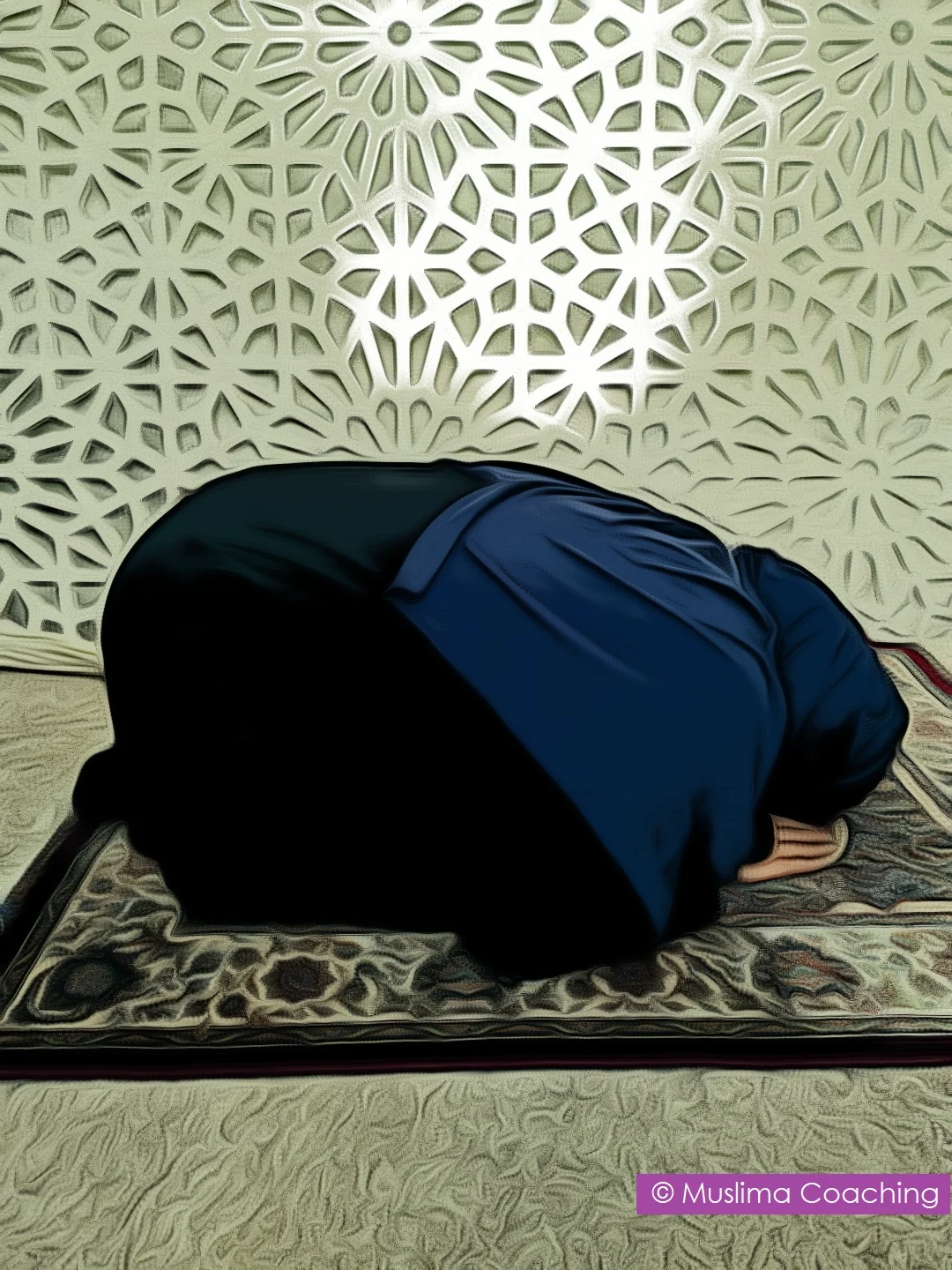
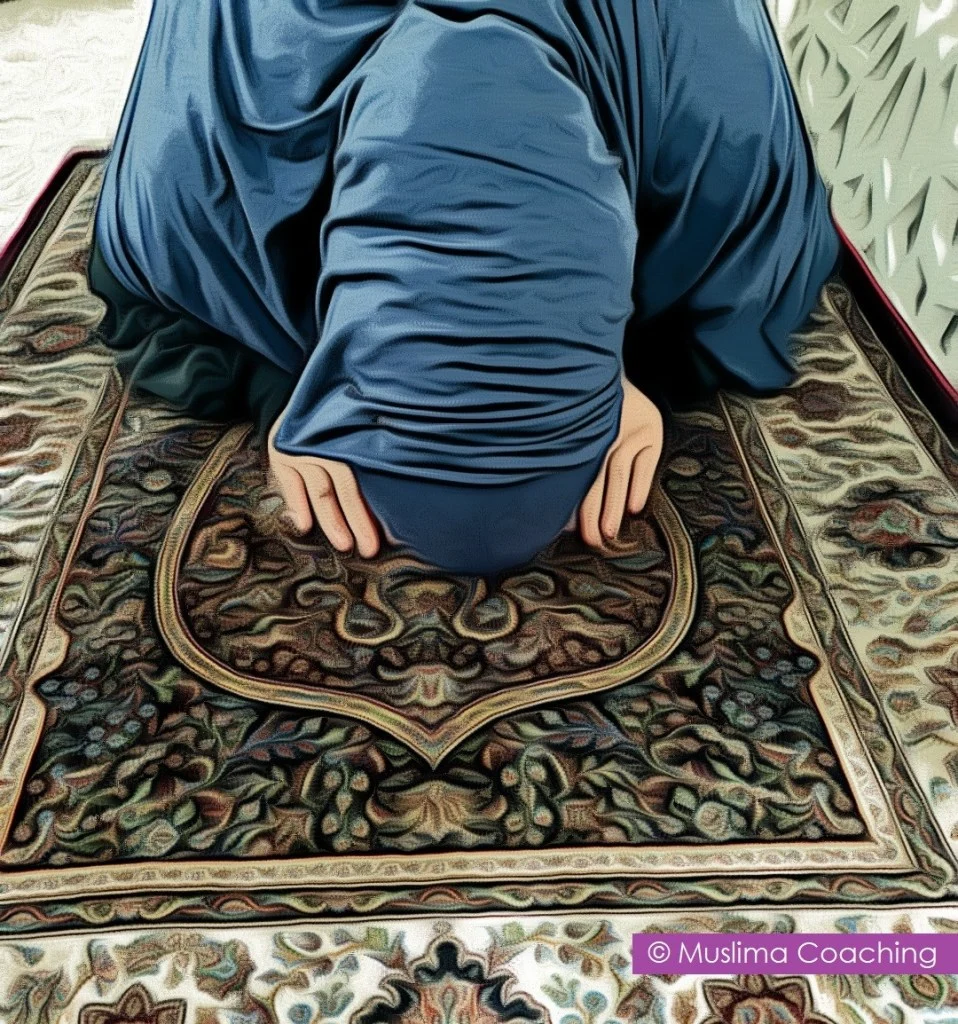
سُبْحَانَ رَبِّيَ الأَعْلَى
Subhana Rabbiy al A'alaa (x3)
Glory to my Lord, the Most High.
(13) Takbeer and Rise to Standing Position
Arise from the sujud to return to the standing position and say Allahu Akbar
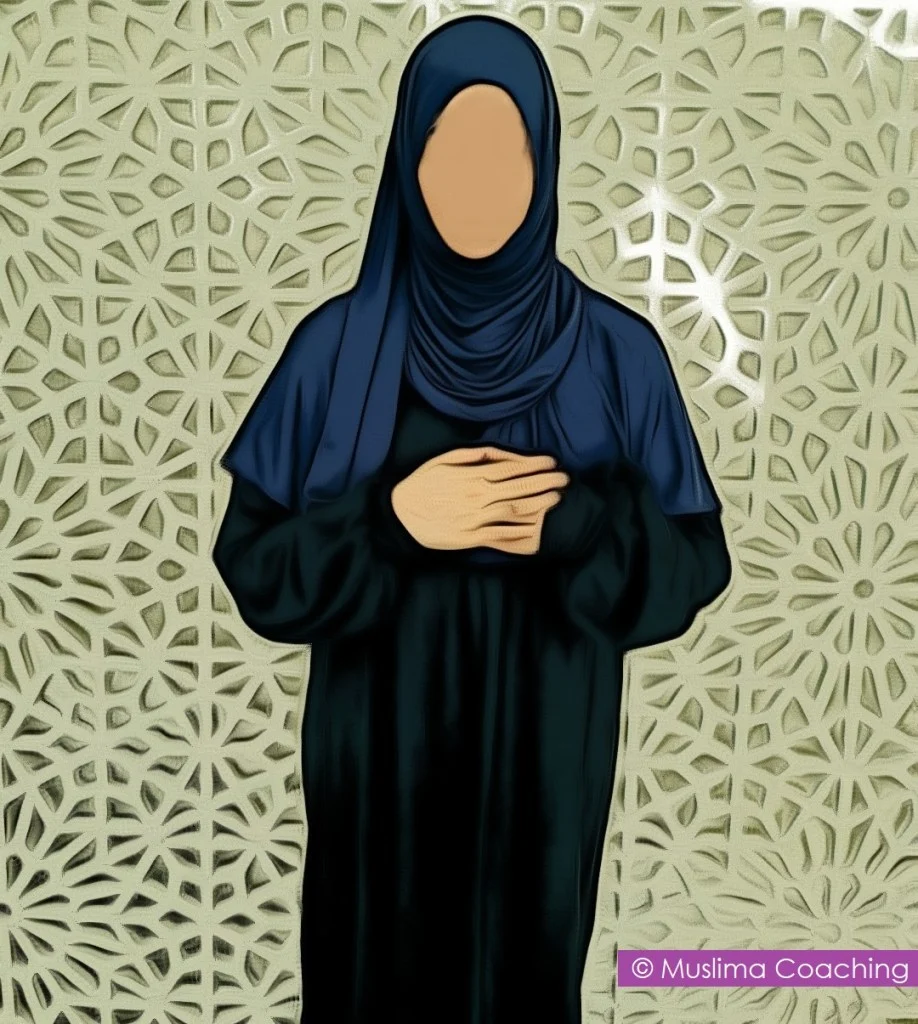
اللَّهُ أَكْبَرُ
Allahu Akbar
Allah is The Greatest
⭐ Standing Position (Qayyam)
To complete 2nd Rakat, repeat steps numbered 2 to 12 then continue from 14
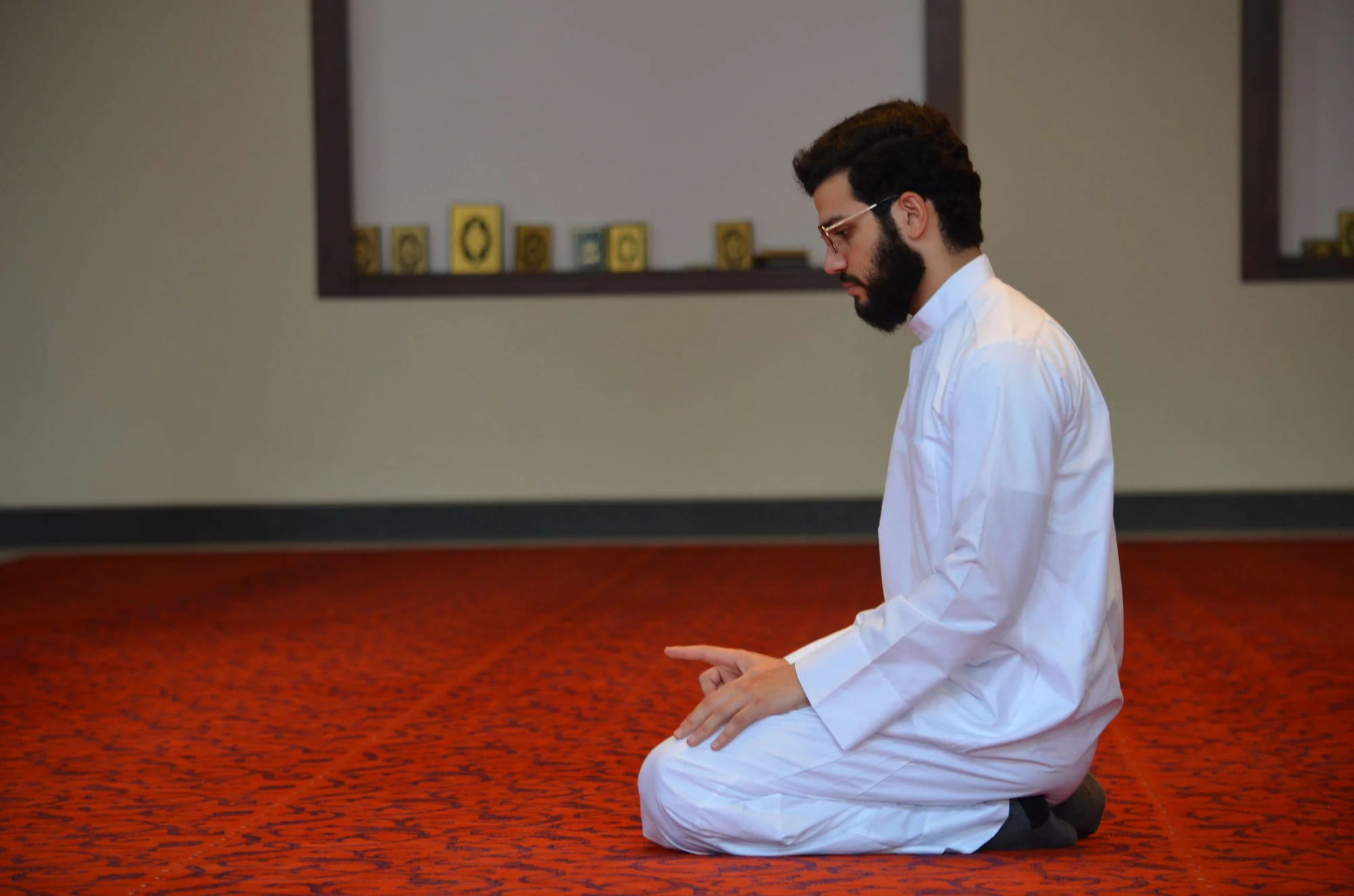
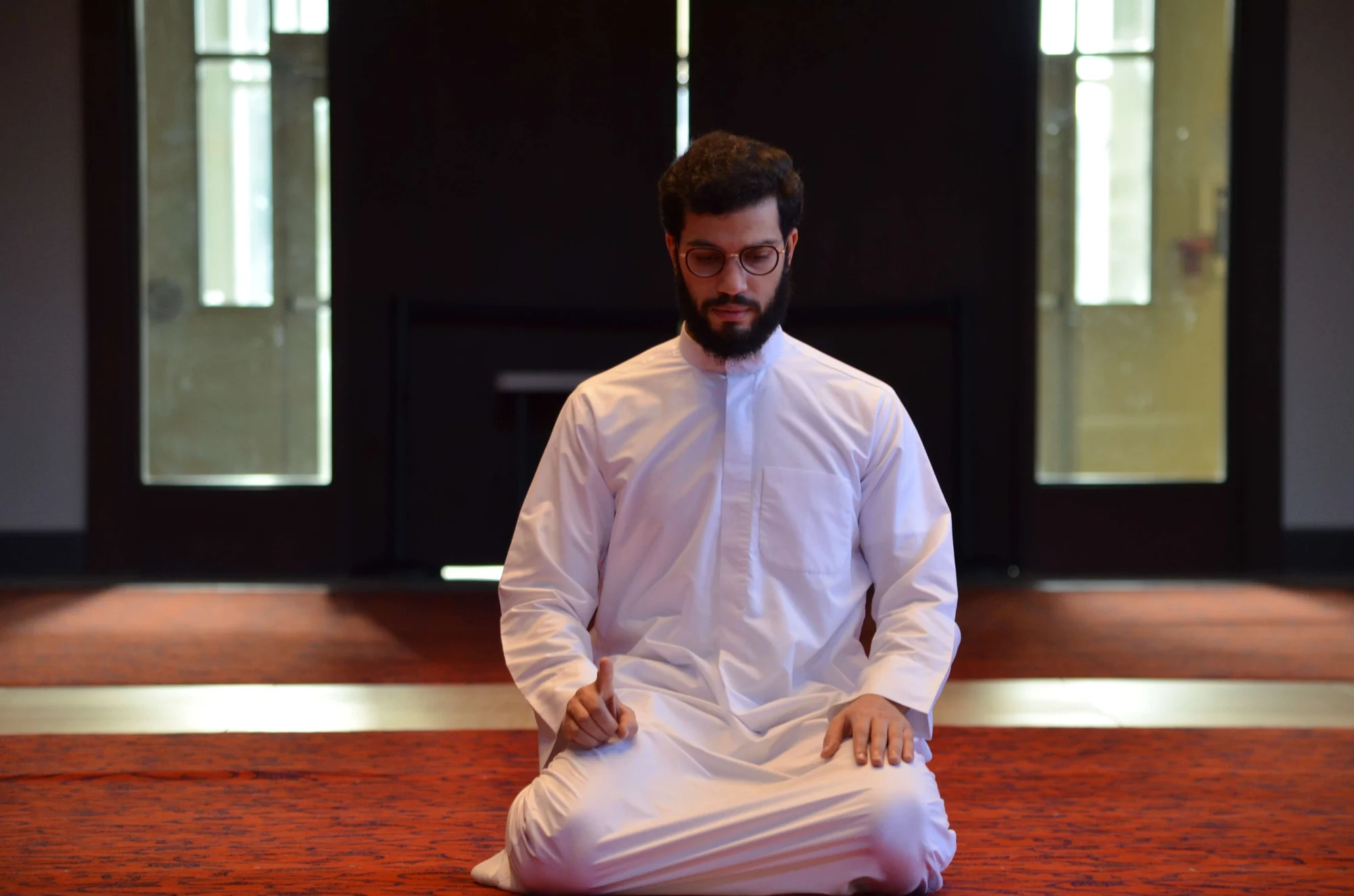
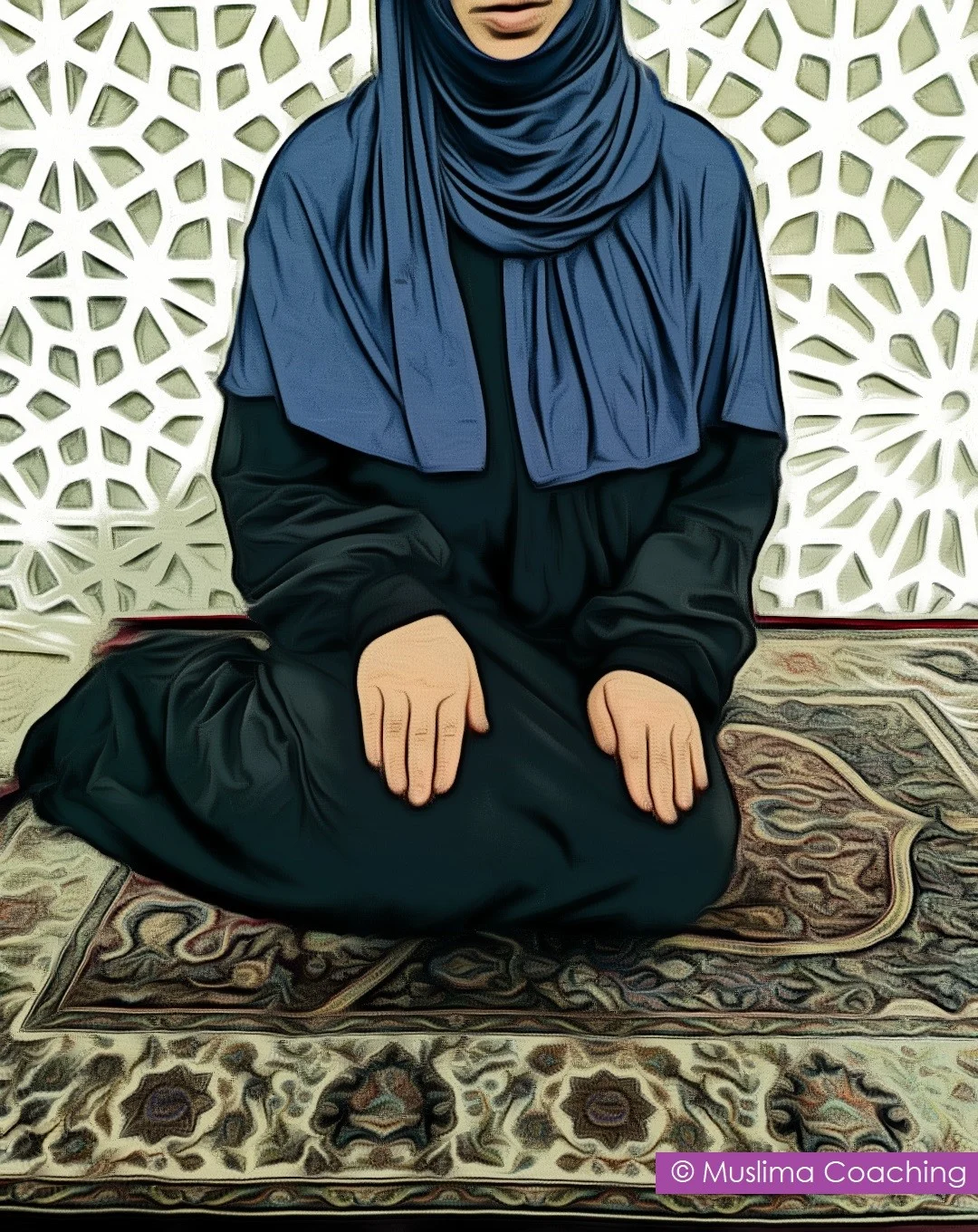
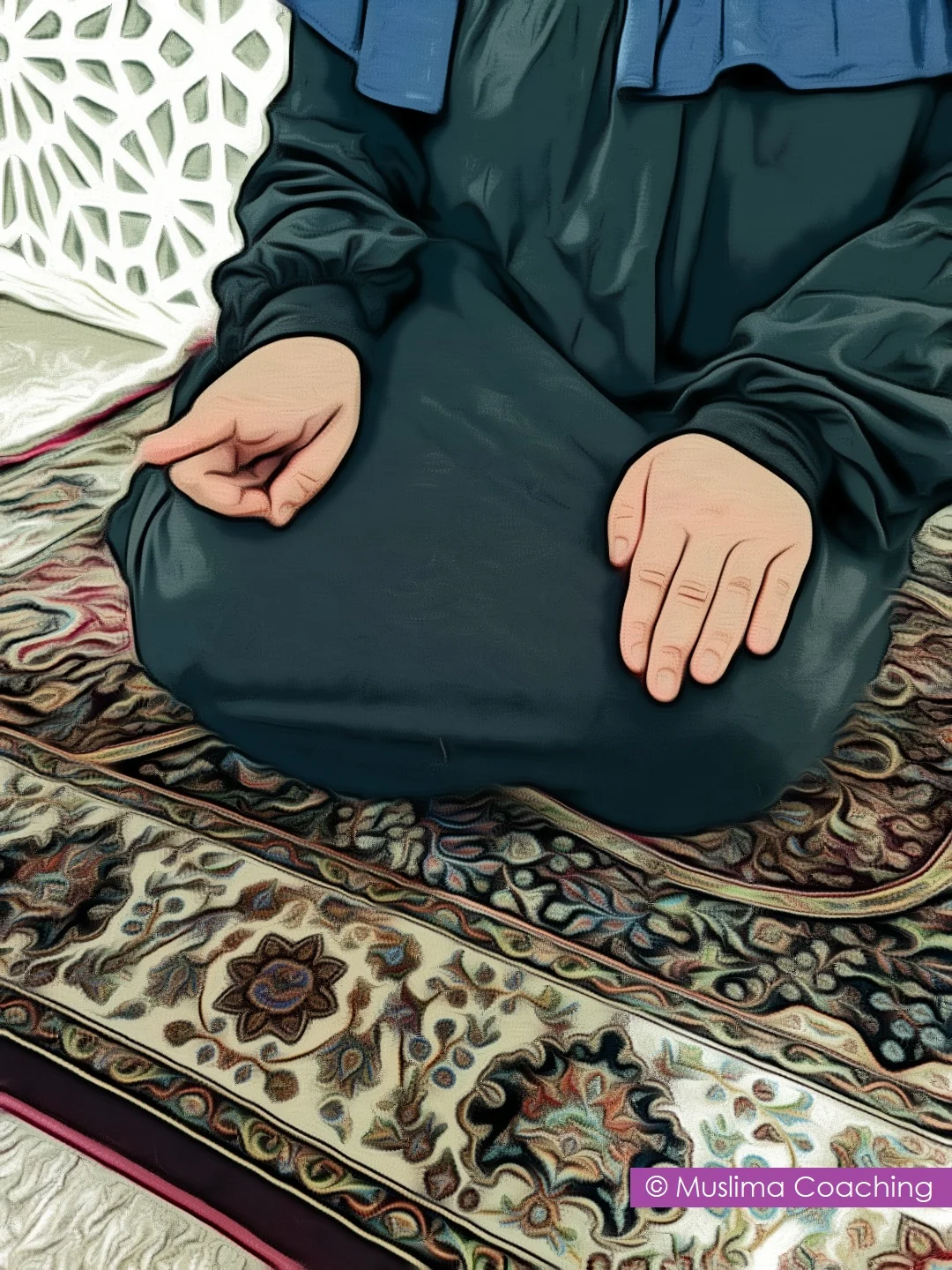
(14) Jalsa (Sitting) - Tashahhud
التَّحِيَّاتُ لِلَّهِ وَالصَّلَوَاتُ وَالطَّيِّبَاتُ، السَّلَامُ عَلَيْكَ أَيُّهَا النَّبِيُّ وَرَحْمَةُ اللَّهِ وَبَرَكَاتُهُ، السَّلَامُ عَلَيْنَا وَعَلَىٰ عِبَادِ اللَّهِ الصَّالِحِينَ، أَشْهَدُ أَنْ لَا إِلَٰهَ إِلَّا اللَّهُ، وَأَشْهَدُ أَنَّ مُحَمَّدًا عَبْدُهُ وَرَسُولُهُ
At-taḥiyyātu lillāhi waṣ-ṣalawātu waṭ-ṭayyibāt. As-salāmu ʿalayka ayyuhan-nabiyyu wa raḥmatullāhi wa barakātuh. As-salāmu ʿalaynā wa ʿalā ʿibādillāhiṣ-ṣāliḥīn. Ash-hadu an lā ilāha illAllāh, wa ash-hadu anna Muḥammadan ʿabduhu wa rasūluh
All Salutation is due to Allah and all Prayer and every thing pure. Peace be upon thee, O Prophet, and the mercy of Allah and His blessings; and peace be on us and on all righteous servants of Allah. I bear witness that there is none worthy of worship except Allah, and I bear witness that Muhammad is His servant and Messenger.
*Point index finger towards Qibla by lifting up when saying La Ilaha and should be lowered back when saying Ill Allah.
Rise From Tashahhud to Standing Position
Arise from the sujud to return to the standing position and say Allahu Akbar
اللَّهُ أَكْبَرُ
Allahu Akbar
Allah is The Greatest
⭐ Standing Position (Qayyam)
To complete 3rd Rakat, repeat steps 2 (skip 3) to 12 then continue from steps 14 (skip 15) to 20
(16) After Tashahhud, Durood Shareef
اللَّهُمَّ صَلِّ عَلَىٰ مُحَمَّدٍ وَعَلَىٰ آلِ مُحَمَّدٍ، كَمَا صَلَّيْتَ عَلَىٰ إِبْرَاهِيمَ وَعَلَىٰ آلِ إِبْرَاهِيمَ، إِنَّكَ حَمِيدٌ مَجِيدٌ. اللَّهُمَّ بَارِكْ عَلَىٰ مُحَمَّدٍ وَعَلَىٰ آلِ مُحَمَّدٍ، كَمَا بَارَكْتَ عَلَىٰ إِبْرَاهِيمَ وَعَلَىٰ آلِ إِبْرَاهِيمَ، إِنَّكَ حَمِيدٌ مَجِيدٌ
Allāhumma ṣalli ʿalā Muḥammadin wa ʿalā āli Muḥammad, kamā ṣallayta ʿalā Ibrāhīma wa ʿalā āli Ibrāhīm, innaka Ḥamīdun Majīd. Allāhumma bārik ʿalā Muḥammadin wa ʿalā āli Muḥammad, kamā bārakta ʿalā Ibrāhīma wa ʿalā āli Ibrāhīm, innaka Ḥamīdun Majīd
Bless, O Allah, Muhammad and the people of Muhammad, as Thou didst bless Abraham and the people of Abraham. Thou art indeed the Praiseworthy, the Glorious. Prosper, O Allah, Muhammad and the people of Muhammad, as Thou didst prosper Abraham and the people of Abraham. Thou art indeed the Praiseworthy, the Glorious.
(17) #1 Dua E Masura | or
اللَّهُمَّ إِنِّي ظَلَمْتُ نَفْسِي ظُلْمًا كَثِيرًا، وَلَا يَغْفِرُ الذُّنُوبَ إِلَّا أَنْتَ، فَاغْفِرْ لِي مَغْفِرَةً مِنْ عِنْدِكَ وَارْحَمْنِي، إِنَّكَ أَنْتَ الْغَفُورُ الرَّحِيمُ
Allahumma inni zalamtu nafsi zulman kathiran wala yaghfirudh-dhunuba illa anta, Faghfirli maghfiratan min indika war-hamni, innaka antalGhafur-Rahim
O Allah, I have greatly wronged myself and You alone can forgive sins, so grant me forgiveness from you and have mercy on me.
(18) #2 Dua - Rabbij Alni
رَبِّ اجْعَلْنِي مُقِيمَ الصَّلَاةِ وَمِنْ ذُرِّيَّتِي، رَبَّنَا وَتَقَبَّلْ دُعَاءِ. رَبَّنَا اغْفِرْ لِي وَلِوَالِدَيَّ وَلِلْمُؤْمِنِينَ يَوْمَ يَقُومُ الْحِسَابُ
Rabbijʿalnī muqīmaṣ-ṣalāti wa min dhurriyyatī, Rabbanā wa taqabbal duʿā’. Rabbanaghfir lī wa li-wālidayya wa lil-mu’minīna yawma yaqūmul-ḥisāb
My Lord, make me an establisher of prayer, and [many] from my descendants. Our Lord, and accept my supplication. Our Lord, forgive me and my parents and the believers the Day the account is established
(19) Salaam Towards the Right
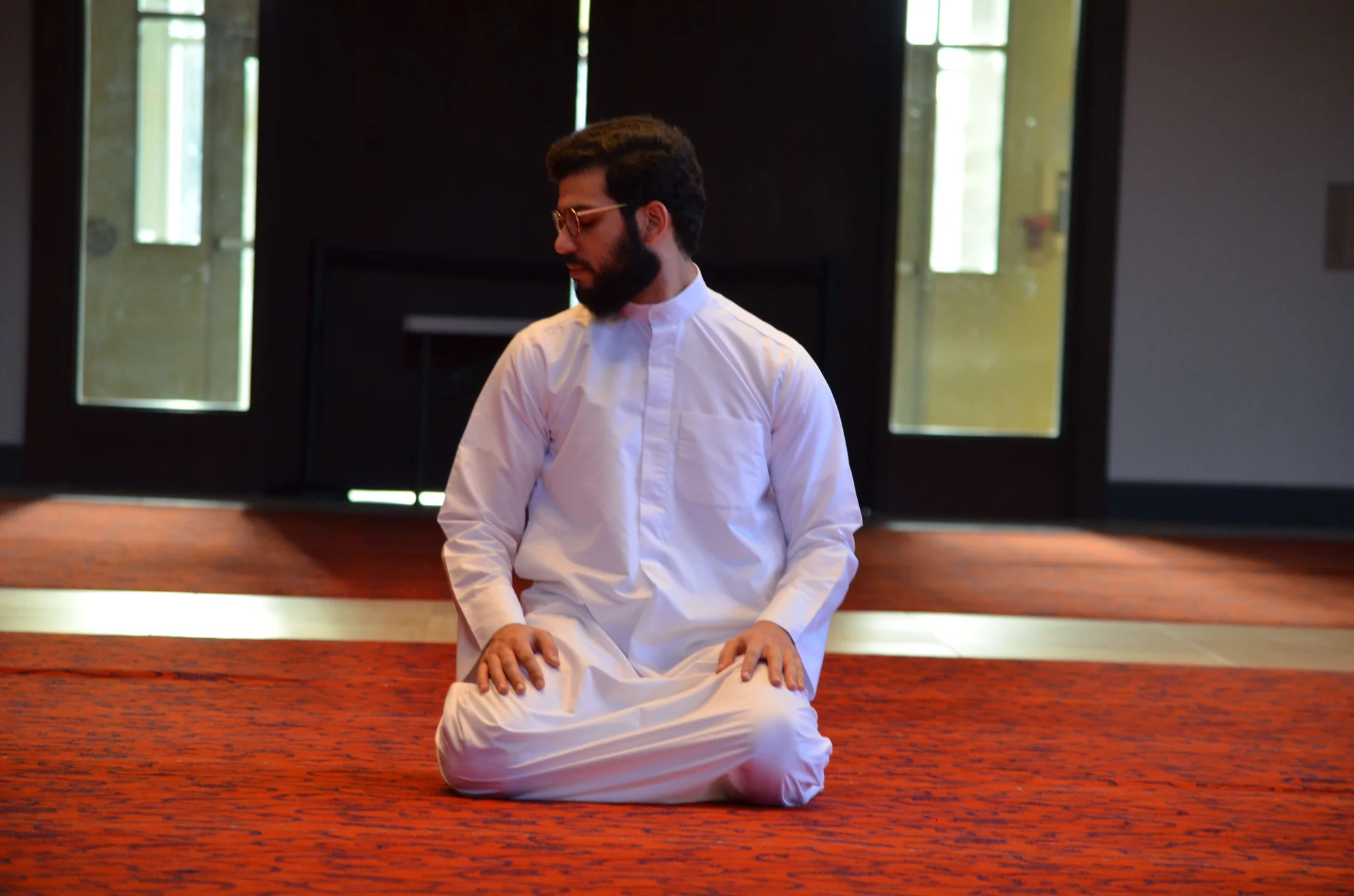
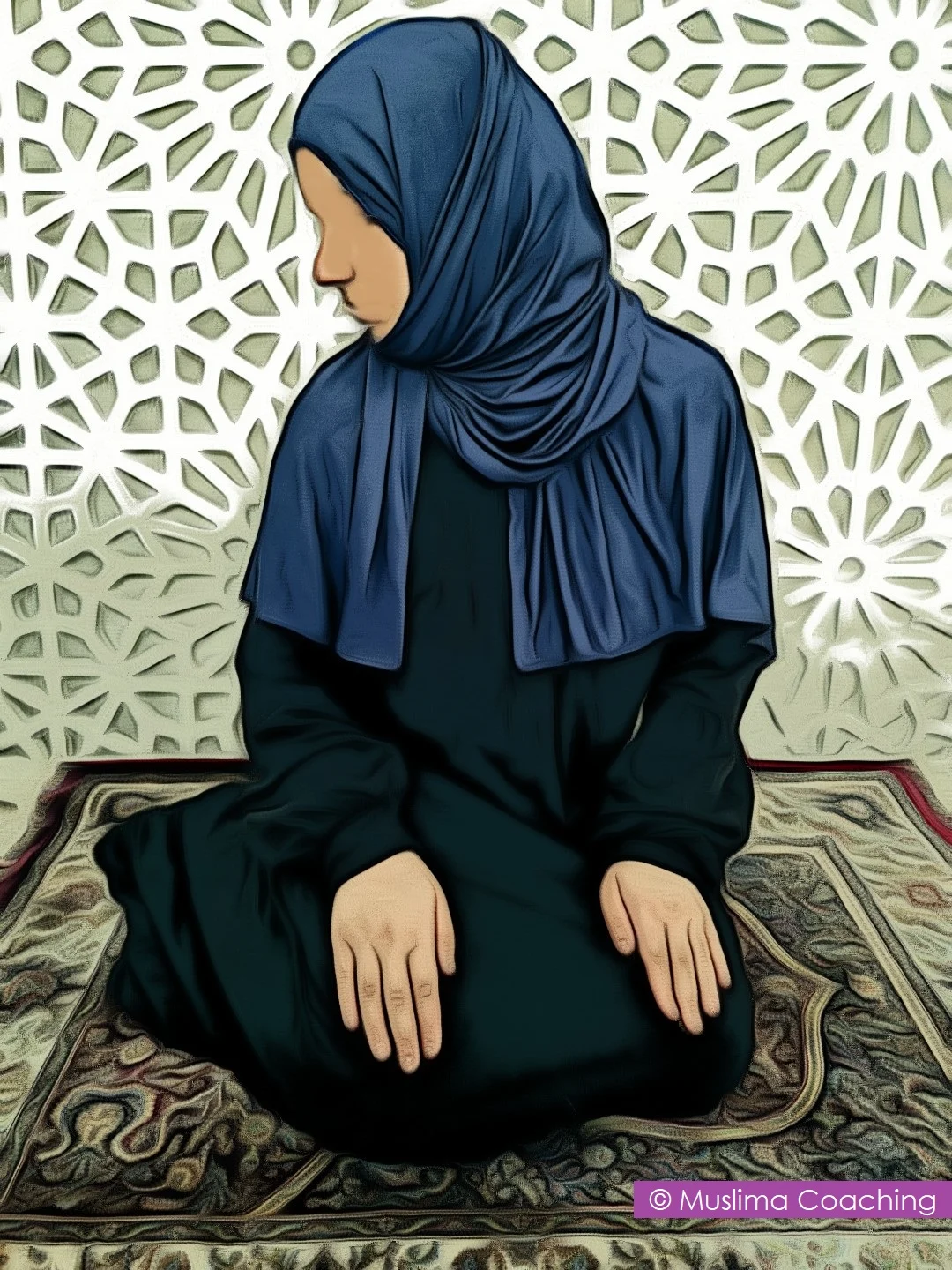
السَّلَامُ عَلَيْكُمْ وَرَحْمَةُ اللَّهِ
Assalamu Alaikum wa Rahmatullah
Peace be upon you and the mercy of Allah
(20) Salaam Towards the Left
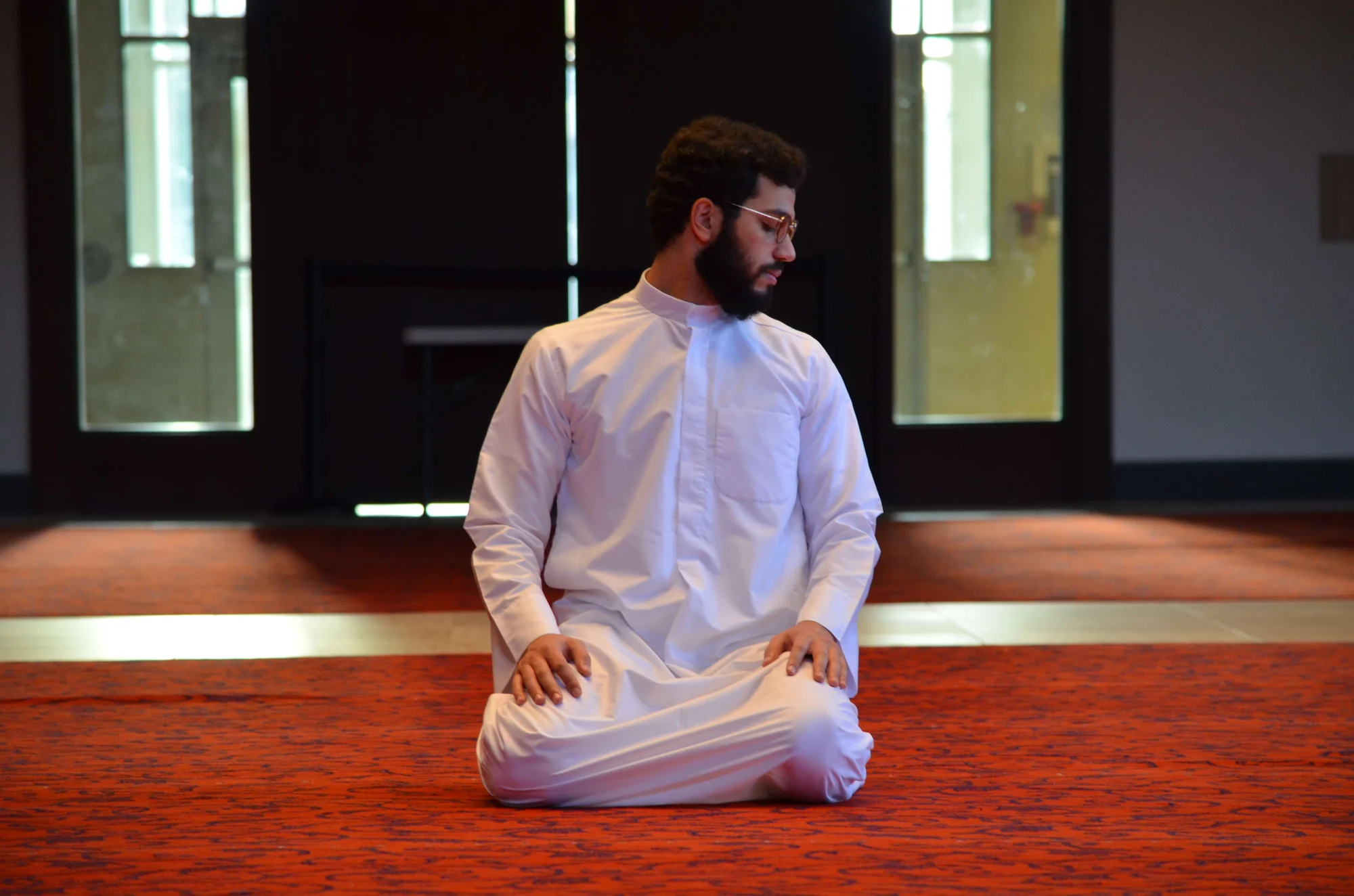
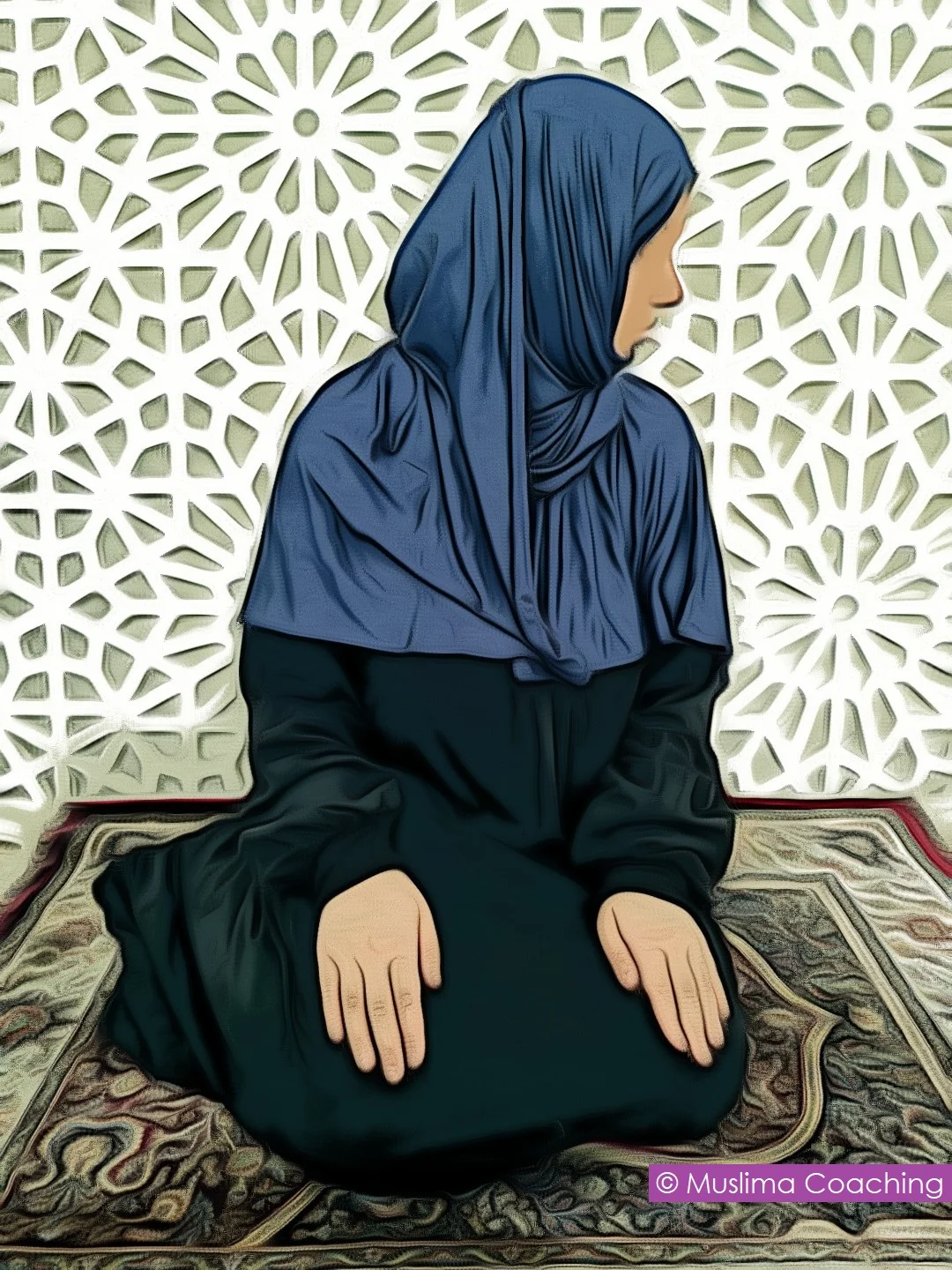
السَّلَامُ عَلَيْكُمْ وَرَحْمَةُ اللَّهِ
Assalamu Alaikum wa Rahmatullah
Peace be upon you and the mercy of Allah

If you miss Maghrib
Use the site’s existing Missed Prayer (Qada) guide for the Hanafi make-up-prayer material.
Male and female video versions are retained because the site’s existing Hanafi-influenced learning method illustrates some posture details separately.
Watch
Salah Steps - Male
Salah Steps - Female